












Aluminium & upvc sliding patio doors (HS)
Aluminium & upvc sliding patio doors (HS)
Sliding doors have long been a popular feature in North American homes. Known for their ease of use, ability to let in abundant natural light whether open or closed, and capacity to create wide access to outdoor spaces, they have stood the test of time. However, a new contender from Europe, similar to the tilt-and-turn window, is rapidly rising in popularity: the lift-and-slide door.
Lift-and-Slide Doors
Lift-and-slide doors offer a modern and innovative solution for contemporary architectural designs. These doors feature a mechanism that lifts the entire door panel slightly off its track before sliding smoothly along it. This lifting action is controlled by a specialized handle, which engages the mechanism to allow effortless and fluid movement.
A key advantage of lift-and-slide doors is their ability to open up large spaces with ease. Even heavy, sizable panels can be moved with just a gentle glide after lifting the door off the track, providing exceptional convenience and creating a seamless flow between indoor and outdoor areas. This design promotes a bright, open, and airy atmosphere.
Moreover, lift-and-slide doors are known for their excellent sealing capabilities. When closed, the door panel presses firmly against the frame, creating a tight seal that reduces air leakage and offers superior thermal insulation. This helps improve energy efficiency, maintain a comfortable indoor climate, prevent drafts, and reduce outside noise. Additionally, their secure locking system makes them difficult to force open, enhancing home security and deterring intruders.
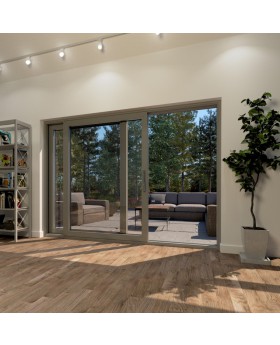
Lift-and-slide doors come in a variety of configurations, including single, double, and multi-panel options, making them highly versatile for both residential and commercial use. Whether serving as patio doors, room dividers, or entrances to outdoor spaces, they provide exceptional flexibility and a sleek, stylish look.
Sliding Doors
Sliding doors have long been a staple in architectural design, offering both timeless style and practical functionality. Unlike lift-and-slide doors, sliding doors operate using a simple yet effective mechanism where the panels glide horizontally along a track. This straightforward design ensures ease of use and dependable performance, making sliding doors a popular choice for many different settings.
One of the main benefits of sliding doors is their space-efficient design. Because they slide sideways along the track, they don’t require extra room to swing open or closed, making them perfect for areas with limited space. This makes sliding doors especially suitable for small rooms, closets, or locations where conventional swinging doors would be impractical.
Sliding doors come in a wide range of styles and configurations to match various architectural tastes and functional needs. From classic single-panel models to modern multi-panel setups, they offer a versatile selection in both appearance and usability. Sliding doors can serve as interior room dividers, closet enclosures, patio doors, or even expansive commercial entrances.
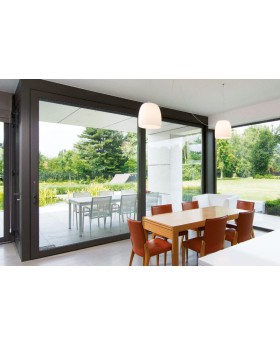
Furthermore, sliding doors are prized for their ability to seamlessly connect indoor and outdoor environments. When opened, they create broad openings that allow ample natural light to enter and enhance airflow, fostering a strong connection with nature. This makes them particularly appealing in residential spaces, where they facilitate smooth transitions between indoor living areas and outdoor settings.
Additionally, sliding doors can be customized with different glazing options—such as double or triple glazing—to boost energy efficiency, security, and visual appeal. Features like double-glazed or low-emissivity glass improve thermal insulation and reduce heat loss, contributing to energy savings and greater comfort for occupants.
What Are the Differences Between Lift-and-Slide Doors and Sliding Doors?
Lift-and-slide doors and sliding doors are two different types of doors, each with their own unique features and functions. Knowing how they differ is important for making smart choices in architectural design and construction. Let’s take a closer look at what sets lift-and-slide doors apart from sliding doors:
Lift-and-Slide Doors:
This type of door uses a system in which the door panel is gently raised from the track before it moves sideways. The lifting action is activated by a specially designed handle, allowing smooth and effortless operation while enabling the creation of wide, open passageways.
Sliding Doors:
Standard sliding doors function by moving horizontally along a fixed track. The panels glide smoothly from side to side without any lifting motion, requiring very little space to operate, which makes them a practical solution for rooms with limited clearance.
Sealing and Insulation
Lift-and-Slide Doors:
Thanks to their lifting mechanism, lift-and-slide doors create a more secure and tighter seal when shut compared to traditional sliding doors. This superior sealing helps reduce air leaks, enhances thermal insulation, and lowers noise from outside. Sliding Doors: Although sliding doors offer reasonable sealing, they typically don’t match the airtightness and insulation levels of lift-and-slide doors. Nevertheless, modern design improvements and advanced materials have made sliding doors more energy-efficient and better at resisting weather conditions.
Space Requirements
Lift-and-Slide Doors: The unique lifting mechanism of lift-and-slide doors enables smooth operation without needing extra clearance space, making them a great choice for locations where swing or conventional sliding doors may not be feasible.
Sliding Doors: Sliding doors are prized for their compact design since they slide rather than swing open, making them perfect for tight spaces, closets, and any area where conserving floor space is a priority.
Aesthetic Options
Lift-and-Slide Doors: These doors come in a range of configurations such as single, double, and multiple panels, providing flexibility in both style and function. They can be tailored with a variety of materials, finishes, and glass options to suit a wide array of architectural designs.
Sliding Doors: Available in a variety of styles and layouts, sliding doors can be customized to match different architectural tastes. They are made from a range of materials including wood, aluminum, and glass, with choices that include frameless designs or ornamental details.
Security Features
Lift-and-Slide Doors: These doors are designed with advanced locking systems and sturdy construction to improve security. Their lifting mechanism creates a tighter seal when closed, making it harder for intruders to force entry. Many models also include options for integrated multi-point locking, which adds an extra layer of protection.
Sliding Doors: Sliding doors come with security features like reliable locks and reinforced frames to help prevent unauthorized access. Although they may not seal as tightly as lift-and-slide doors, they can still be equipped with secure locking options such as keyed locks and additional bolts to strengthen defense against break-ins.
Choosing the Best Option
Deciding between lift-and-slide doors and standard sliding doors depends on several key aspects, such as the technical requirements of your project, visual preferences, expected functionality, and available budget.
When working with limited space and minimal clearance, traditional sliding doors are often the more practical solution thanks to their compact, space-saving design. On the other hand, lift-and-slide doors allow smooth and efficient operation without needing extra room, making them ideal for wide openings where conventional sliding or hinged doors may not be suitable.
If energy efficiency, sound insulation, and resistance to harsh weather conditions are top priorities, lift-and-slide doors are usually the better option due to their enhanced sealing performance. However, when these factors are less critical, well-designed sliding doors can still provide satisfactory insulation when paired with high-quality glazing and sealing systems.
Security is another important consideration. Lift-and-slide doors often come with reinforced construction and advanced locking systems, offering a higher level of protection. Sliding doors can also be fitted with secure locking mechanisms, although the degree of security largely depends on the selected hardware and overall door design.
Architectural style and design intent should also play a role in your decision. Both lift-and-slide and sliding doors are available in a wide range of materials, finishes, and configurations, making it easy to tailor them to match different architectural concepts and aesthetic goals.
Think about everyday use and user comfort. Lift-and-slide doors are known for their smooth, effortless operation, which is especially advantageous for large and heavy panels. Sliding doors are also easy to operate, though they may require slightly more force compared to lift-and-slide systems.
Lastly, review your budget and installation costs. Lift-and-slide doors often come with advanced features and higher performance, which can result in a higher investment. Sliding doors tend to be more cost-effective, so it’s important to weigh the benefits against the costs and focus on the features that are most essential for the success of your project.

Sliding patio doors are very popular today in the construction industry. They can slide easily, reduce spaces and provide decorative elements. Before installing them, you must take into account different aspects, that's why Domadeco helps you with all those details. This is what you should keep in mind when installing sliding doors
Do you have a big house, do you want to make an unforgettable entrance, or is your house small? Exterior sliding doors will help you do all of these things. It's time to start planning how you're going to change them. These tips can help you do just that.
Sizes
The first thing to consider when you decide to renovate your door is the size. You should measure the place where you are going to place it, so you can choose a customized one. Although there are others that come with their measurements. If you have a large space, we recommend you to choose double sliding doors.
Type of door
There are several types of doors in this category, such as: The overlapping or recessed. The first are those that can slide between the wall. While the second ones slide along the track and into the wall. Evaluate either of these two possibilities. Although if you are going to use it a lot it is better to opt for automatic sliding doors.
Materials
Analyze what material you want to make your entrance. For example, there are wooden sliding doors external, but also sliding glass patio doors. There are aluminium sliding doors that are strong, durable and rustproof. Upvc sliding doors are also a great and popular alternative.
Track
If you are going to put upvc sliding patio doors pay attention to the track. This is a super important detail for the purpose of installing them correctly. You can choose between a floor, ceiling or wall track. As well as ones that slide easily.
Colors
Examine what color you want for your door. There are many shades available and you could choose according to the style you like. Combine it with the rest of the place so that everything looks harmonious. If you want a warm atmosphere, we recommend using pastel colors. On the other hand, if you prefer to give an unforgettable impression, opt for strong shades.
Frame
Do not leave out the frame when you are reviewing your installation plan. This is a complement that should guarantee stability, so you can choose from a wide range of materials. Pay special attention to aluminum sliding doors.