











Is Wood-Coloured Aluminium Really Possible?
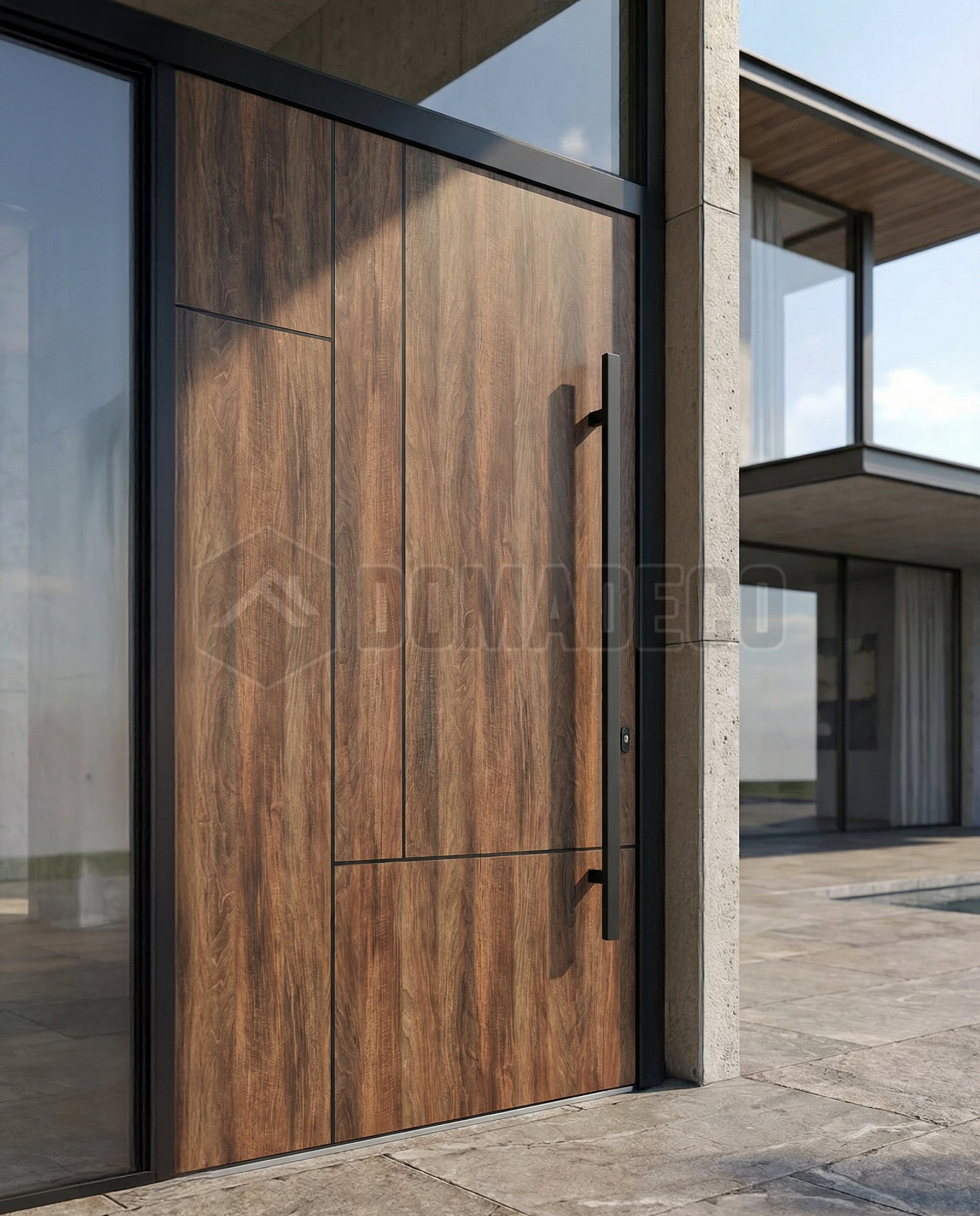
Wood grain aluminum is aluminum specially designed to mimic the appearance of natural wood, combining the warm, attractive look of wood with the strength, lightweight nature, and low upkeep of aluminum. This makes it an ideal choice for architectural and design applications, providing both beautiful aesthetics and practical advantages.
What Does Wood Effect Finish on Aluminium Mean?
Wood Effect describes the technique of applying a special coating to Aluminium Battens that replicates the appearance of real wood. As design regulations grow stricter, there is a rising demand for Timber-Look materials that meet Group 1 Fire Compliance standards. This has led designers to choose Aluminium as their core material, taking advantage of the continually advancing Timber Effect finishes. The outcome is a Group 1 rated product that combines Aluminium’s strength and low-maintenance benefits with the genuine look of natural timber.
How Is a Timber Effect Finish Applied to an Aluminium Batten?
Sublimation Film Application
Sublimation Film Transfer (STF) is the most widely used technique for achieving a Timber Effect finish on Aluminium Battens. This method starts with powder coating the Aluminium Extrusion in a base colour, followed by applying a film that imparts the wood grain, pattern, and timber hues onto the surface.
Here’s how the STF process works:
1. The Aluminium Batten is first coated with a base colour in a spray booth, then passed through a warm oven to cure and dry the coating.
2. Next, a roll of STF film is carefully drawn over all four sides of the batten. Air is continuously blown into the film to help it smoothly envelop the extrusion.
- At this point, the film remains open at both ends.
- The film is pulled along the entire length of the batten, and both ends are securely sealed.
- A vacuum is then applied to remove all air, pressing the film tightly against the batten’s surface.
3. The batten, now wrapped in the film, enters a heating oven. The high temperature causes the film’s wood grain, pattern, and timber colours to transfer permanently onto the aluminium surface.
4. After heating, air is reintroduced into the film, causing it to expand and loosen, making it easy to peel away.
- Once removed, the timber effect finish remains vividly embedded on the Aluminium Batten.
This precise process results in a durable, realistic wood appearance on aluminium, combining the best of both materials.
Powder-to-Powder
Powder-to-Powder is a less common technique for applying a Timber Effect finish to Aluminium Battens, primarily because it is generally less efficient. This method treats only one surface of the extrusion at a time, requiring multiple passes to cover all sides. Despite this, some local manufacturers are starting to adopt Powder-to-Powder as an alternative due to its ability to create a more authentic texture and appearance.
The Powder-to-Powder process includes the following steps:
1. The Aluminium Batten is first coated with a base colour in a spray booth, then cured and dried in a warm oven.
2. The batten then moves to the Drum Roll booth, where the drum is fitted with a sieve designed to replicate the desired Timber Effect grain and pattern.
- Powder is forced through the drum and sieve as the Aluminium Batten passes through, applying the timber grain and pattern onto the surface.
- Since the drum roll applies the finish to only one side at a time, the batten is rotated and the process repeated until all four sides are coated.
3. After all sides are treated, the Aluminium Battens are returned to the oven for final curing and drying.
Although less efficient than the Sublimation Film Transfer method, Powder-to-Powder is gaining traction among some Australian suppliers who value the richer, more tactile finish this process delivers.
Wrapping
Wrapping Aluminium Batten extrusions with Real Timber Veneer or Vinyl Wrap is another effective way to achieve a Timber Effect finish. This technique is especially popular when using alternative substrates like MDF but can also be applied directly to aluminium.The wrapping process typically involves the following steps:1. The Aluminium Batten undergoes a pre-treatment to modify its surface. This preparation enhances adhesion by ensuring the surface is ready for bonding.2. The batten is then passed through a roller system where two key actions take place:- First, an adhesive bonding agent is evenly applied to the Aluminium surface.- Next, a roll of Timber Effect material—either real timber veneer or vinyl wrap—is carefully laid onto the batten and pressed firmly against it. The adhesive ensures the wrap securely bonds to all exposed faces of the aluminium extrusion.This method provides a visually authentic timber appearance while combining the durability and strength of aluminium with the natural or textured look of wood.
When creating an Aluminium Batten feature with a Timber Effect to closely resemble natural wood, it’s important to keep in mind that you are substituting a highly unique and varied material with a manufactured product. Inevitably, the grain and pattern of the Timber Effect will repeat throughout your design. Therefore, choosing the right Timber Effect finish involves more than just selecting a colour—you must also carefully consider the grain pattern and how its repetition will appear across the entire ceiling or surface area to ensure a natural and cohesive look.