











How to make aluminium look like wood?
Wood Effect refers to a finishing technique applied to Aluminium Battens that replicates the appearance of natural timber. As design regulations become more rigorous, there is a growing demand for Timber-Look materials that meet Group 1 Fire Compliance standards. Aluminium Battens meet the Group 1 Fire Rating according to Section 9(n) of AS5637.1-2015. As a result, designers are increasingly choosing Aluminium as their primary material and enhancing it with advanced Timber Effect finishes. This approach provides a solution that combines the fire safety of Group 1 certification with the durability and low maintenance benefits of Aluminium, all while maintaining the authentic look of real wood.
What is the process for applying a Timber Effect finish to an Aluminium Batten?
At present, there are three techniques used to apply a Timber Effect finish to Aluminium extrusions.
These methods include:
- Sublimation Film Transfer
- Powder-to-Powder Coating
- Wrapping
Sublimation Film Transfer (STF)
Sublimation Film Transfer (STF) is the most widely used technique for applying a Timber Effect finish to Aluminium Battens. This method starts with powder coating the Aluminium extrusion with a base color, followed by using a specialized film to imprint the grain, pattern, and timber color onto the surface.
The STF process includes the following steps:
1. The Aluminium Batten is first coated with a base color in a spray booth, then passed through a warm oven to dry the coating.
2. Next, a roll of STF film is drawn over all four sides of the Aluminium Batten. Air is continuously pumped into the film to help it smoothly cover the extrusion.
- At this point, the film remains open at both ends.
- The film is extended along the full length of the extrusion, and both ends are securely sealed.
- A vacuum is then applied to remove all air inside the film, pressing it tightly against the Aluminium Batten’s surface.
3. The batten, now covered with the film, moves into an oven where heat causes the film’s grain, pattern, and timber color to transfer onto the Aluminium surface.
4. After heating, air is reintroduced into the film to expand it, allowing the film to be peeled off easily.
- Once removed, the timber effect finish—complete with grain and color—remains permanently bonded to the Aluminium Batten.
Powder-to-Powder
Powder-to-Powder is a less frequently used technique for applying a Timber Effect finish to Aluminium Battens, mainly because it is generally less efficient. This method treats only one surface of the extrusion at a time, which adds to the time required. However, some local manufacturers are starting to adopt this approach as they believe it produces a more authentic texture and appearance.The powder-to-powder process consists of the following steps:
1. The Aluminium Batten is first coated with a base color in a spray booth and then dried in a warm oven.
2. The batten is then passed through a Drum Roll booth, where the drum is equipped with a sieve designed to create the desired timber grain and pattern.- Powder is forced through the drum and the sieve while the batten moves through the roll, applying the timber grain and pattern onto one side of the Aluminium extrusion.- Since the Drum Roll applies finish horizontally, only one side is covered at a time. The batten must be rotated and processed multiple times to coat all four sides.
3. After completing the pattern application, the Aluminium Battens are placed back into an oven for final curing and drying.While this method is less time-efficient compared to Sublimation Film Transfer, some Australian suppliers are experimenting with powder-to-powder finishing because they value the more tactile and natural feel it provides.
Wrapping
Applying a Timber Effect finish to Aluminium Battens can also be achieved by wrapping the extrusions with Real Timber Veneer or Vinyl Wrap. This technique is commonly used when working with alternative base materials, such as MDF.The wrapping process for Aluminium Battens generally includes the following steps:
1. The Aluminium Batten undergoes a pre-treatment to modify its surface, improving adhesion for the next stage.
2. The batten is then passed through a roller system that performs two key actions:- First, an adhesive bonding agent is applied to the surface of the Aluminium Batten.- Next, a roll of Timber Effect material (either real timber veneer or vinyl wrap) is fed onto the batten and pressed firmly against it, using a binding agent to ensure the wrap securely adheres to the exposed surfaces of the Aluminium extrusion.
What Are Aluminium Doors with a Wood-Look Finish?
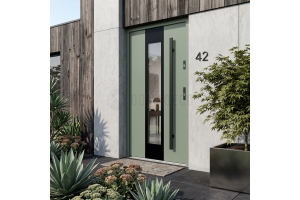
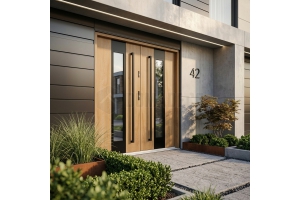
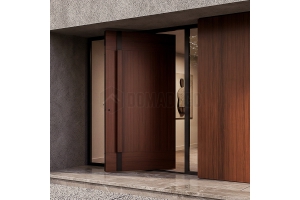
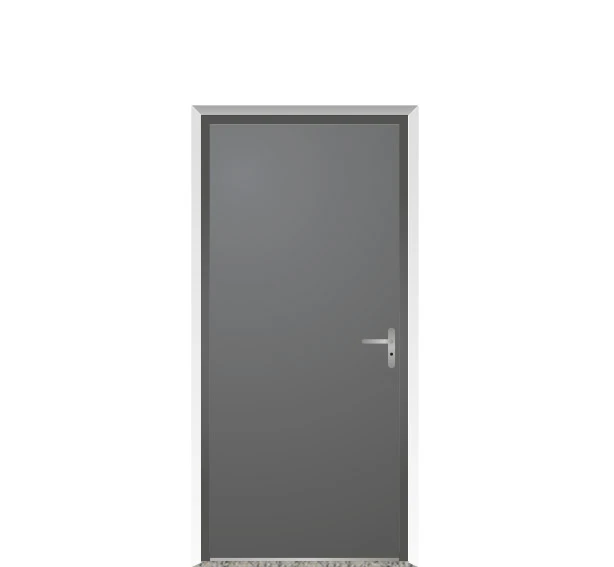
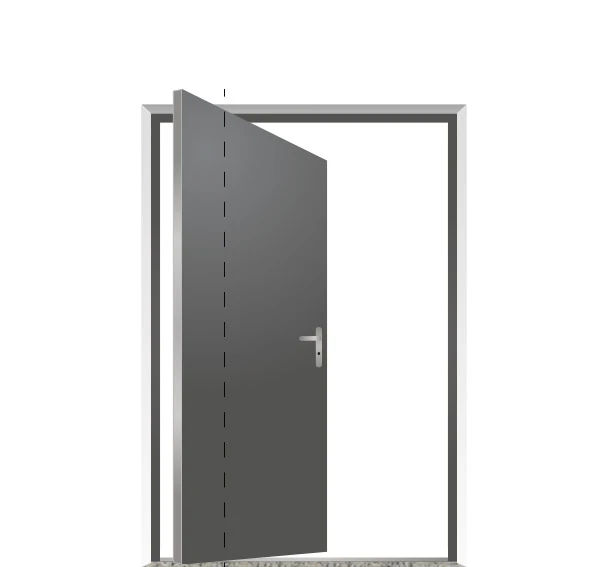
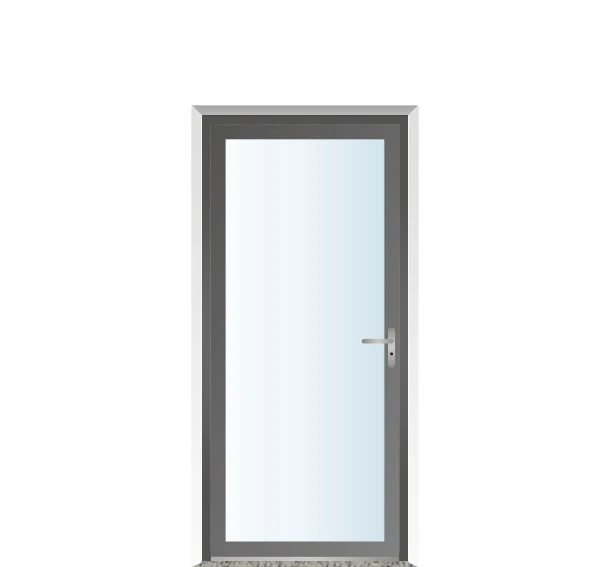
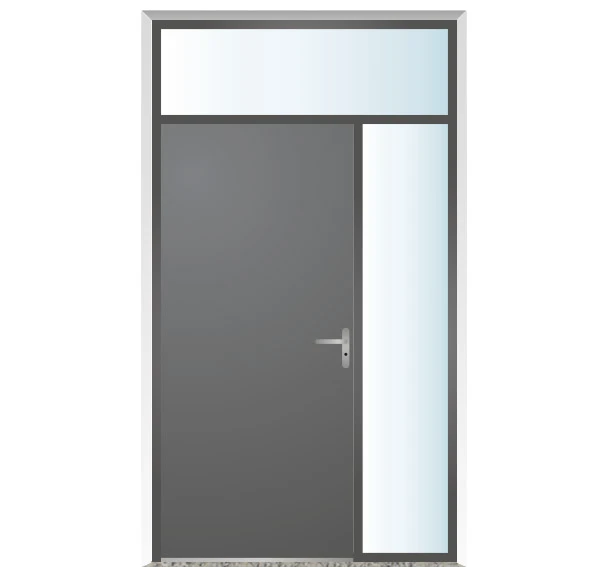
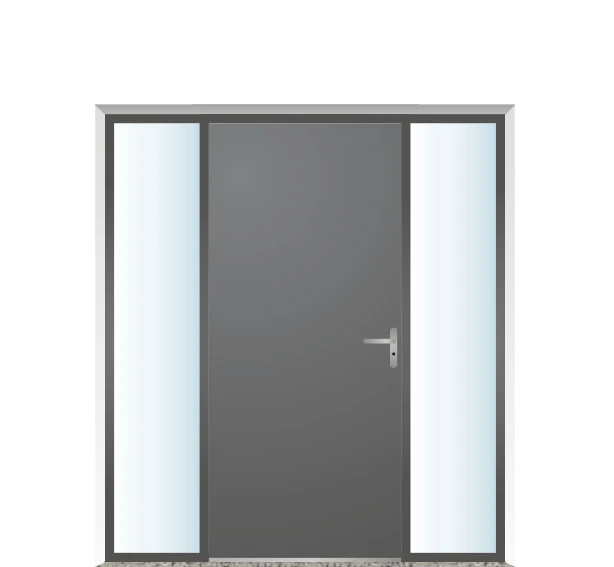
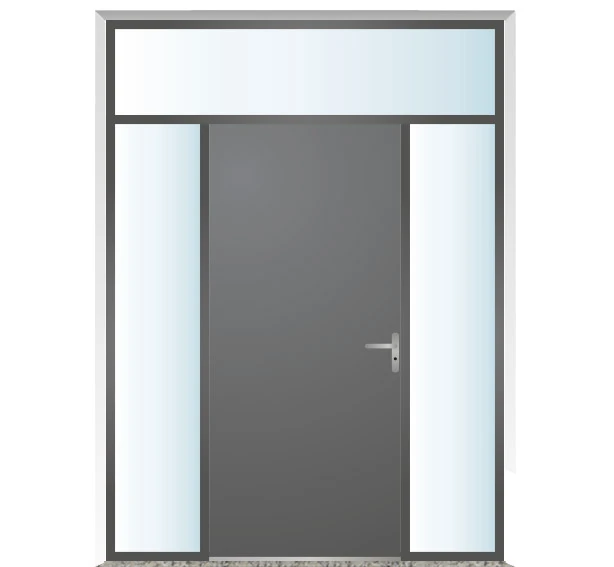
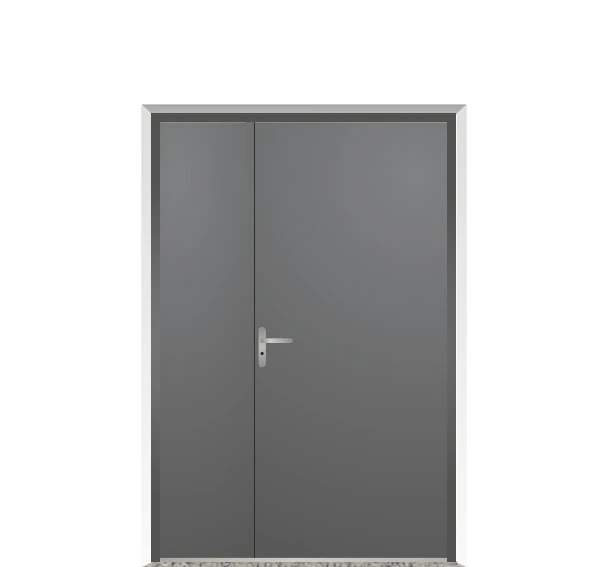
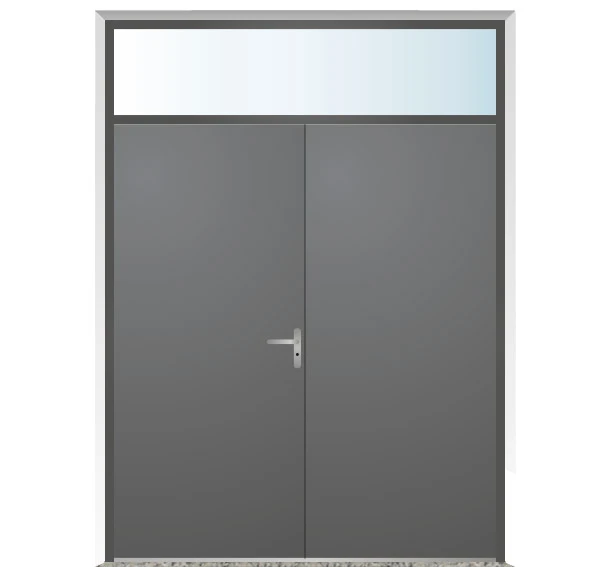
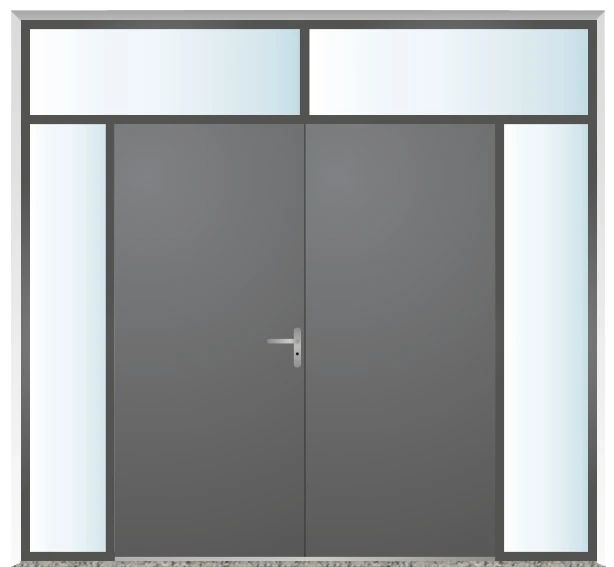
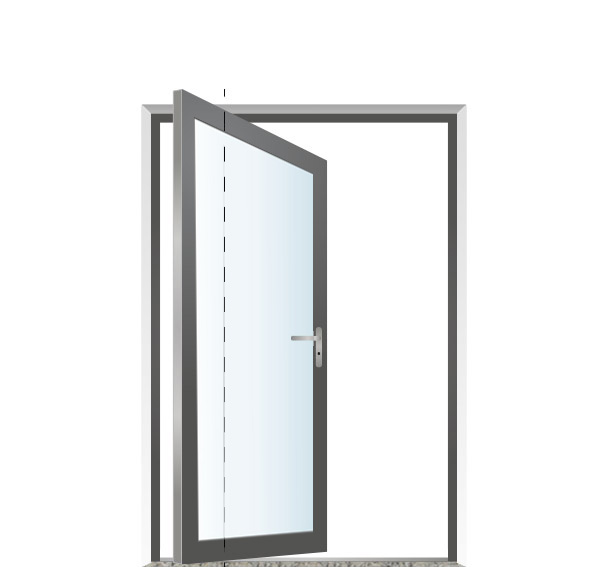
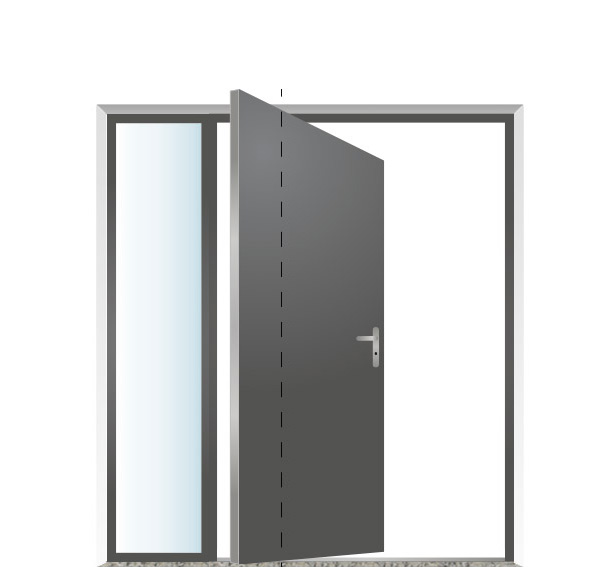
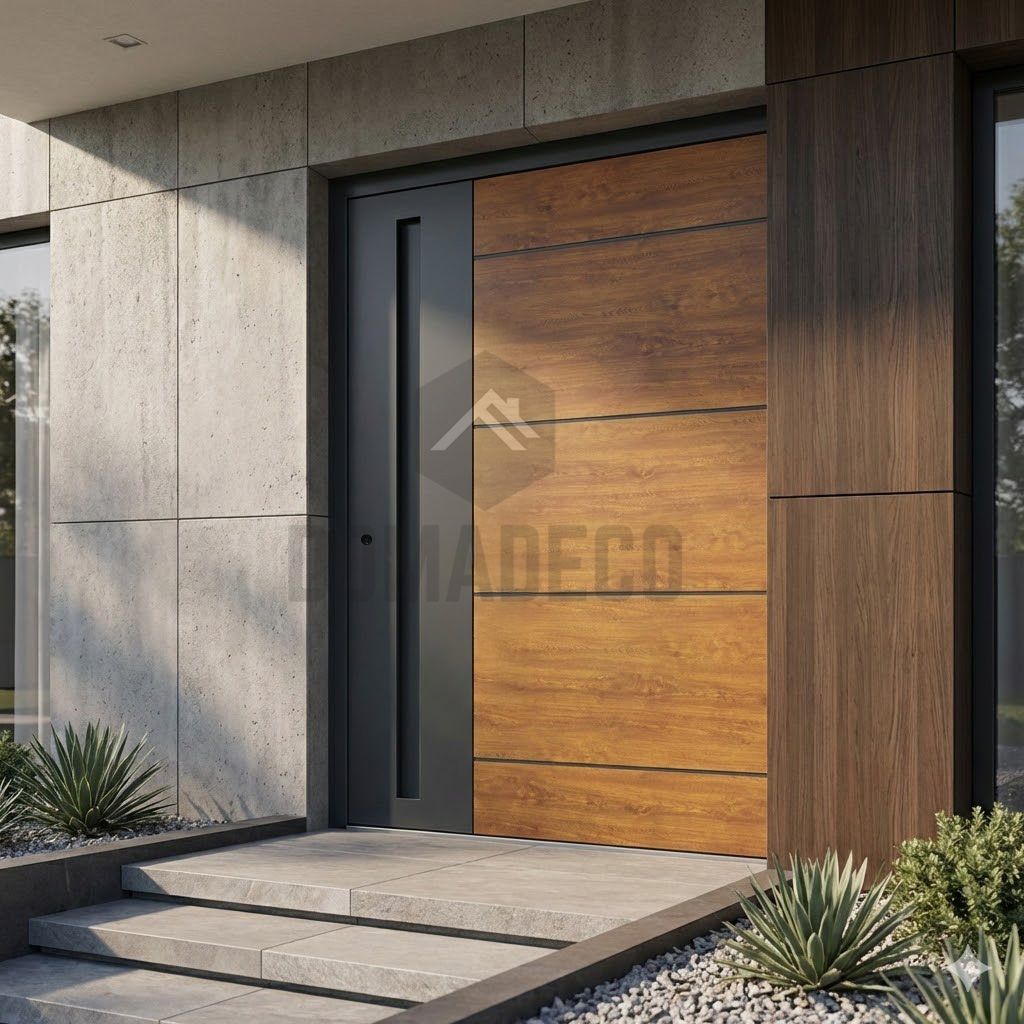
Wood-effect aluminium doors are made from premium aluminium profiles that have been specially treated to mimic the appearance of real wood. Instead of being painted with plain colors, these doors undergo a distinctive process that produces lifelike woodgrain textures on the metal surface. The outcome is a door that looks and feels like genuine timber but delivers enhanced durability, with greater resistance to moisture, warping, and weather damage—issues often associated with conventional wooden doors.
What Are the Benefits of Choosing Wood-Effect Aluminium Doors?
Wood-effect aluminium doors are popular because they combine the advantages of both wood and aluminium. Here’s why they are increasingly favored by architects, builders, and homeowners.
- Realistic Appearance
The wood-effect finish is incredibly lifelike, making it hard to tell apart from genuine wood. Whether you prefer the rich look of mahogany, the warm tones of walnut, or the light shades of oak, these doors capture every grain detail beautifully.
- Minimal Maintenance
Unlike real wood, aluminium does not absorb moisture and does not require regular sanding, painting, or oiling. A simple wipe with soapy water is enough to keep the door looking fresh and new.
- Resistance to Weather
UK weather is unpredictable, with frequent rain, wind, and humidity. Wood-effect aluminium doors are built to withstand these conditions without swelling, warping, or fading, ensuring they maintain their pristine appearance year after year.
- Durability and Security
Aluminium's natural strength provides excellent protection against forced entry. Many wood-effect aluminium doors also feature reinforced frames and advanced multi-point locking systems for enhanced security.
- Energy Efficiency
Thanks to modern thermal break technology, aluminium doors offer excellent insulation, helping to keep your home warm in winter and cool in summer. When paired with double or triple glazing, they can significantly reduce energy bills.
- Eco-Friendly Choice
Aluminium is fully recyclable without any loss of quality. Its long lifespan and low maintenance needs make it an environmentally responsible option for homeowners concerned about sustainability.
- Versatile Design Options
With a wide selection of finishes, glass styles, and hardware, these doors can be tailored to suit contemporary, traditional, or transitional home designs, offering great flexibility in appearance and function.
Common Wood-Style Finishes for Aluminium Doors
The aluminium joinery offered by our company is also available in the following wood imitation colours: Beech, Cherry, Golden oak, Mahogany, Walnut , Pine, Cherry, Wenge
In summary,
wood-effect aluminium doors seamlessly blend the timeless charm of wood with the modern advantages of aluminium. They represent a fresh approach to home design, where practical innovation meets genuine visual appeal. Ideal for UK residences seeking sophistication without compromising on sustainability, strength, or style, these doors enhance both the appearance and functionality of your home. Whether you are renovating an entire property, creating a garden opening, or updating your entryway, wood-effect aluminium doors offer lasting value and elegance for years ahead.