












Security and burglary resistance: how do P2 and P4 class glass panes work?
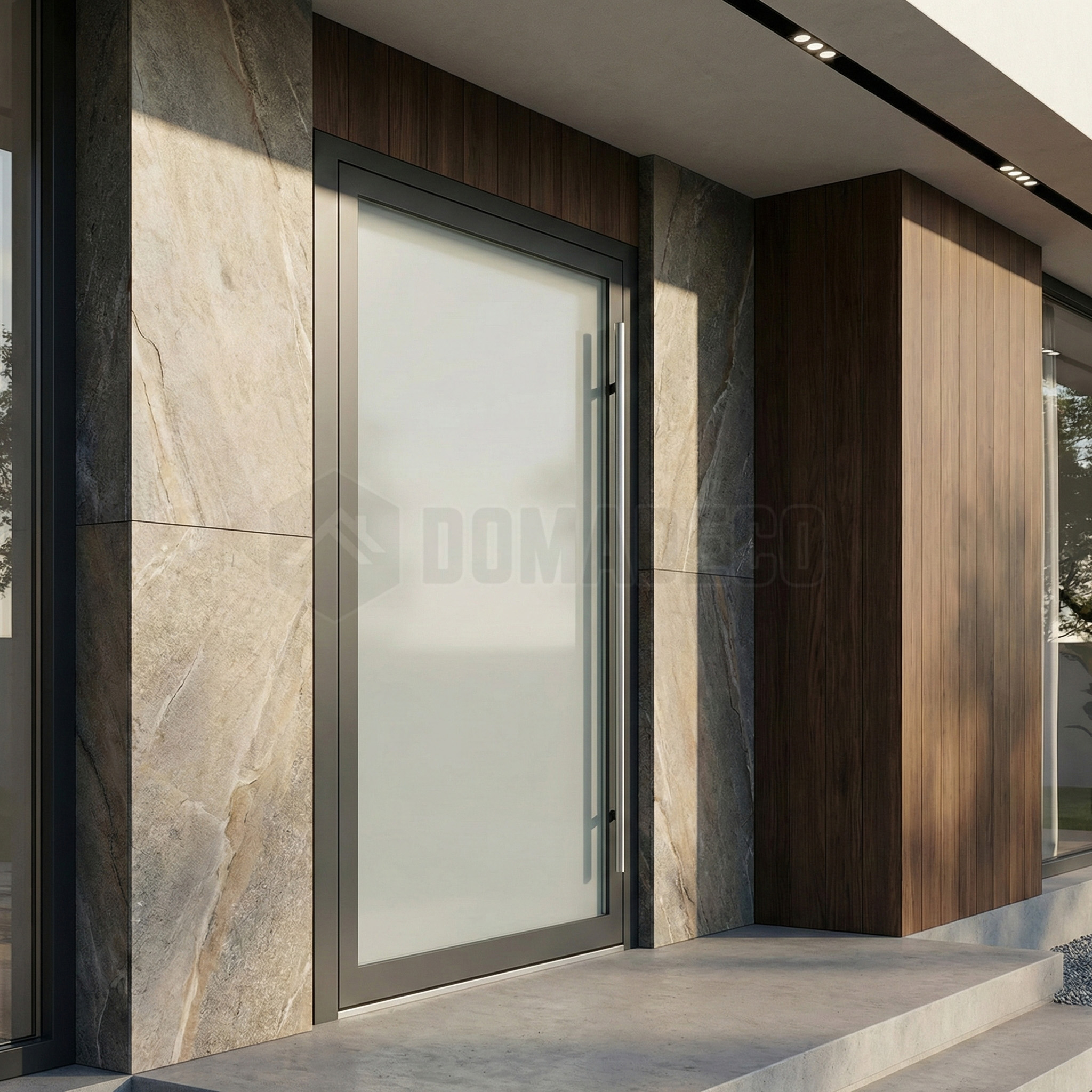
For many homeowners, ensuring security and protection is a top concern. Selecting the appropriate safety and burglar-resistant glass can greatly enhance the overall level of safety. This article will explore different types of safety glass, their identifying marks, common uses, and consider whether investing in burglar-proof windows is a worthwhile choice.
What is safety glass?
Safety glass is a type of glass engineered to reduce the risk of injury if it breaks. It is designed to be more impact-resistant and has special properties that prevent it from shattering into sharp, dangerous shards when broken. Safety glass is used in a variety of settings, including both residential and commercial construction. It is commonly installed in windows, doors, railings, as well as in vehicles and public buildings like schools and hospitals.
What is burglar-resistant glass?
Burglar-resistant glass consists of laminated panels made by bonding two or more glass sheets with a special PVB film. This construction ensures that even if the glass breaks, it remains held within the frame, making it more difficult for intruders to gain entry. Key benefits of burglar-resistant glass include: increased difficulty for burglars to access the property, high resistance to mechanical damage, reduced risk of injury from broken glass, and additional noise reduction. Importantly, this protective feature is not visible to potential intruders.
Why are burglar-resistant glass panels so essential?
In the window and door industry, security is one of the most important parameters. More and more investors are looking for solutions that will effectively protect their homes or businesses against burglary. One of the key elements that increase the resistance of windows is P2 burglar-proof glass and P4 burglar-proof glass.
Burglar-resistant glass P2 – design and characteristics
P2 glass panels are made up of two glass sheets and two layers of PVB film, with a total thickness of approximately 0.76 mm. Key features of P2 burglar-resistant glass include: basic protection that slows down forced entry attempts; user safety by reducing the risk of injury, as it is classified as safety glass; enhanced impact resistance, capable of withstanding multiple strikes from blunt objects; and suitability for use in homes and offices where increased security is needed without requiring the highest protection levels.
P4 burglar-resistant glass – a higher level of security
For users seeking enhanced protection, the ideal choice is P4 burglar-resistant glass. Its design is significantly more advanced, resulting in high mechanical strength. What is the structure of P4 glass? P4 glass consists of two glass panes and four layers of PVB film, with a total thickness of approximately 1.52 mm.
Due to their design, P4 burglar-resistant glass involves a higher cost compared to, for example, P2 safety glass. However, the lower class only provides protection against injury in case of breakage and serves at best as a temporary barrier against an unplanned burglary attempt.
Identical glass panes are not sufficient.
A burglar-resistant glass alone is not enough to protect a home from intruders. Even using P4-class glass will be ineffective unless it is combined with the installation of burglar-proof handles and fittings, at least of WK1 class. The WK rating indicates the overall resistance of the window unit against break-in attempts by defining the time required to break its structure—since there is no window that cannot be forced open. There are three classes available on the market: WK1, WK2, and WK3. WK1 class means the window cannot be forced open without tools, relying only on physical strength. WK2 class means the window cannot be breached for at least 3 minutes using simple tools such as screwdrivers or pliers. WK3 class means the window cannot be pried open with a metal crowbar for at least 5 minutes.