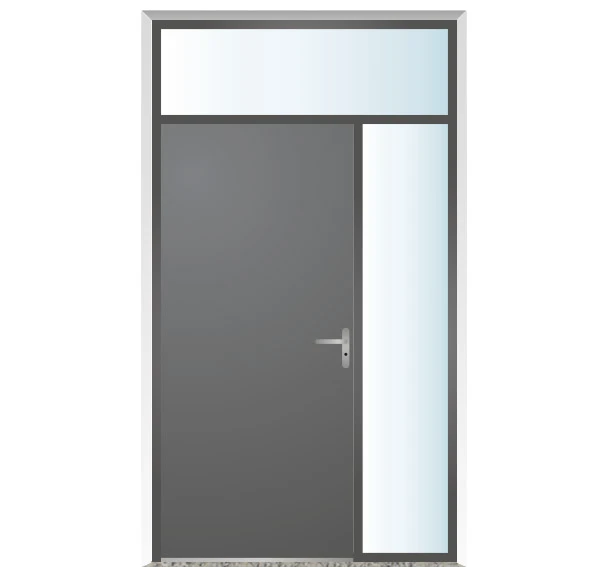
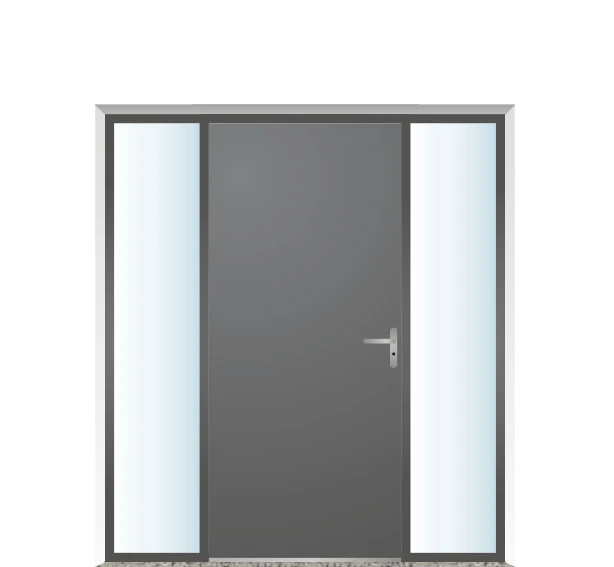
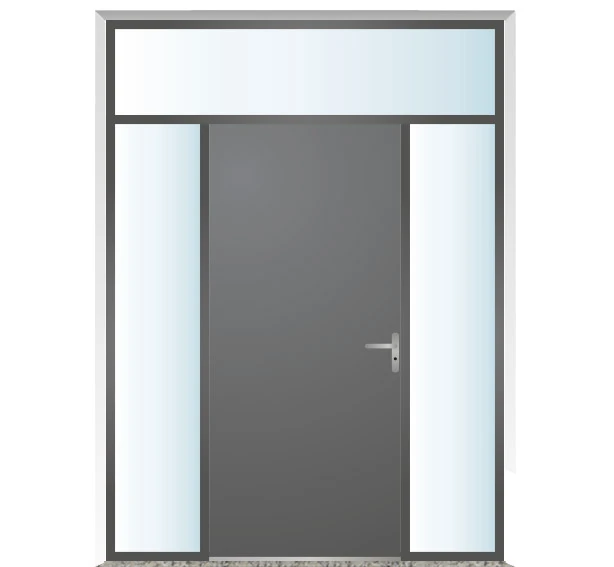
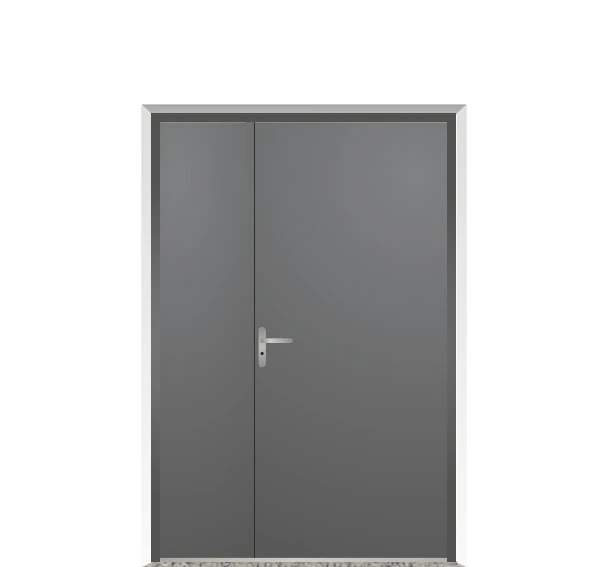



Why Aluminium is Perfect for Windows and Doors?

Aluminum is often referred to as a ‘miracle metal.’ Primarily extracted from Bauxite ore, it ranks as the third most abundant element in the earth’s crust and is the most plentiful metal worldwide. So, what qualities make it an ideal material for windows, doors, and curtain walls
Light weight
Aluminum is an extremely lightweight metal, with a density of only 2.7 g/cm³, roughly one-third that of steel or copper. It is among the lightest metals available for commercial use. This lightweight nature makes aluminum an excellent choice for window and door frames. It is particularly beneficial for curtain wall systems, which are non-structural and can only support their own weight—so having a lighter frame is essential.
Corrosion-resistant
If you want a window that requires minimal upkeep, aluminium is the ideal choice. This is because when aluminium is exposed to air, it quickly develops a protective layer of aluminium oxide on its surface. This layer provides excellent resistance to corrosion caused by weather conditions, including acid rain, and is not harmed by cleaning agents. Unlike timber or PVC-U frames, aluminium window frames won’t swell, crack, split, or warp over time, regardless of the weather. Additionally, the corrosion protection can be enhanced by anodising or applying a coating, typically through powder coating.
Unbreakable
Aluminium is both flexible and stretchable – to refresh your memory from GCSE chemistry, this means it can be bent, shaped, or stretched into a thin wire without losing strength or cracking. In simple terms, it is flexible rather than fragile. In fact, aluminium ranks as the second most flexible metal and the sixth most stretchable. This is great news for anyone looking to create curved curtain walls or windows, as aluminium frame profiles can be easily molded or shaped to the desired form without the risk of breaking.
Extremely durable
Aluminium alloys are commonly used to manufacture window, door, and curtain wall frames because pure aluminium alone has relatively low tensile strength. However, when combined with other elements such as manganese, silicon, copper, and magnesium, its strength improves significantly. While the tensile strength of pure aluminium is about 90 MPa, it can exceed 690 MPa when alloyed. Additionally, aluminium—already one of the lightest metals used in engineering—offers a much better strength-to-weight ratio compared to steel when alloyed. Even more notably, unlike steel, aluminium’s strength actually increases as temperatures drop, whereas steel tends to become brittle below 0°C.
Easily combines with other metals to create alloys
As previously mentioned, aluminium is typically combined with other elements to enhance its physical characteristics. For instance, adding manganese can boost the strength of pure commercial aluminium by about 20%. Aluminium also easily forms alloys with elements like silicon, copper, zinc, iron, and magnesium, allowing the creation of various alloys with properties customized for specific uses. Aluminium glazing companies often use alloys containing silicon and magnesium, which are ideal for extruding aluminium profiles. These alloys are highly versatile, can be heat treated, are easy to shape and weld, and possess high strength.
Simple to shape into frames
Aluminium window frames are produced through an extrusion process, where pre-heated aluminium alloy is pushed through a die to create a specific aluminium profile. These profiles are then assembled to build the window frame. The unique features of the window frame come from the design of these profiles. Although the designs can be intricate, they can be created from a single extruded piece, ensuring the profiles are strong and long-lasting. Additionally, aluminium’s excellent machinability allows for precise fabrication of the profiles into the final window frame.
Ornamental
Aluminium can be easily enhanced with anodizing or powder coating to achieve an attractive smooth or textured appearance. This ensures that aluminium windows, doors, and curtain walls not only function effectively but also look stunning. Anodizing involves submerging the aluminium in an acid electrolyte bath and applying an electric current, which transforms the surface into a decorative, durable, and corrosion-resistant aluminium oxide layer. This oxide layer is fully bonded to the metal beneath, preventing chipping or peeling, making it exceptionally long-lasting. Because the aluminium oxide has a porous structure, it requires sealing to protect against corrosion. The sealant can be clear or infused with special dyes, offering a wide variety of colors for anodized aluminium.
Alternatively, aluminium can be powder coated with paint. Before coating, the aluminium is pre-treated—either through anodizing or a chemical process—to create a corrosion-resistant barrier. It can then be powder coated in any RAL color. At Senior Architectural System’s advanced powder coating facility in Denaby, pre-treated aluminium bars are grounded while paint powder is electrostatically charged as it is sprayed onto the surfaces. This charge causes the powder particles to adhere firmly to the bars, similar to how dust sticks to a TV screen due to static electricity. The coated bars are then heated in an oven where the powder melts and forms a smooth, flexible, and uniform finish that offers weather resistance for up to 25 years.
Certain Drawbacks of Aluminum Doors
While aluminum doors provide excellent strength, energy efficiency, and a contemporary look, it’s essential to be aware of their possible disadvantages before making a final choice, since no material is without flaws. Here are some important points to keep in mind:
Vulnerability to Water Stains
Although aluminum doors do not rust, they can develop stains when exposed to continuous moisture, particularly in rainy or humid conditions. Over time, these stains may become more noticeable, impacting the door’s overall look. Regular cleaning and the application of protective coatings can help reduce this issue and preserve the door’s sleek appearance.
Higher Upfront Cost
Aluminum is considered a premium material, and its price can vary with market fluctuations. As a result, aluminum doors generally have a higher initial cost compared to wood or PVC alternatives. However, their durability, low maintenance requirements, and energy efficiency often make them a cost-effective choice over time.
Need for Professional Installation
Unlike some other door materials, aluminum doors require professional installation to ensure a precise fit and optimal functionality. The accuracy needed for proper sealing and alignment means that hiring experienced installers is crucial to maximize the door’s durability and insulation benefits.
Despite these factors, aluminum doors remain a popular option for both residential and commercial use due to their exceptional strength, flexibility, and contemporary design. With appropriate upkeep and expert installation, they deliver long-lasting performance and value for any property.