












Are Aluminium Doors Better Than uPVC?
When selecting new or replacement doors for your home, you’ll find a wide variety of designs and styles to choose from. However, one of the most crucial decisions is selecting the right material. Two of the most popular options are aluminum and uPVC, each offering distinct advantages and considerations. But which is better suited for your home: aluminum or uPVC doors?This is a frequently asked question and an important one, as the choice between aluminum and uPVC doors affects more than just your home’s appearance. For many homeowners, it’s also about factors such as comfort, energy efficiency, strength, durability, and budget.In this guide, we’ll explore both materials in depth. We’ll examine their construction, highlight key features, and compare uPVC and aluminum doors to help you make an informed decision for your home improvement project.
How Do uPVC and Aluminium Doors Differ?
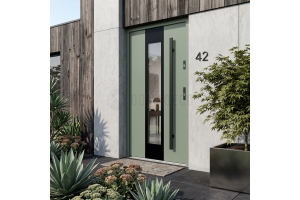
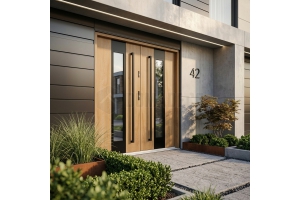
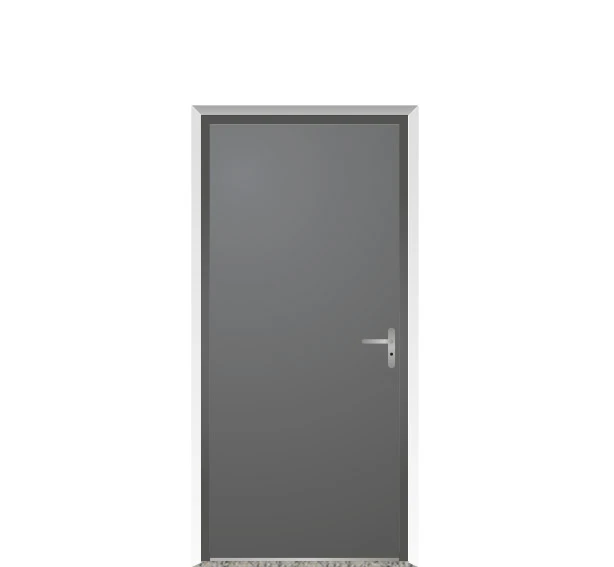
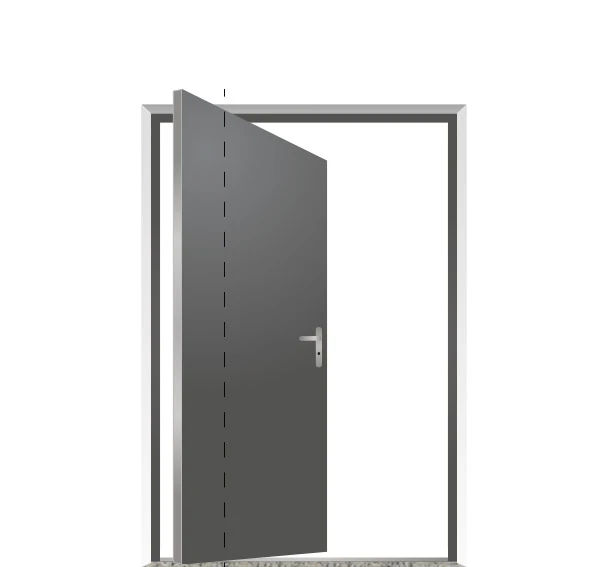
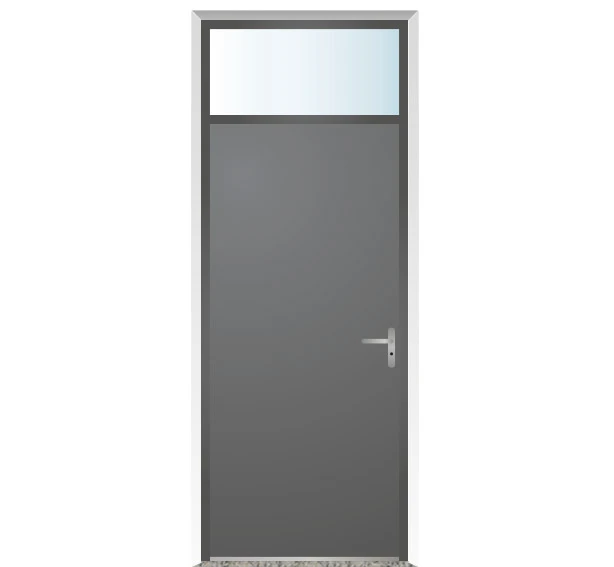
The main difference between aluminium and uPVC doors lies in the materials they are made from. uPVC (unplasticised polyvinyl chloride) is a sturdy plastic favored for its affordability, good insulation, low upkeep, and variety of design options. Aluminium doors, on the other hand, are made from a tough, long-lasting metal that enables sleek, slim frames and large glass sections. They are also resistant to weather, durable, and provide a contemporary aesthetic.
When to Opt for Aluminium Doors?
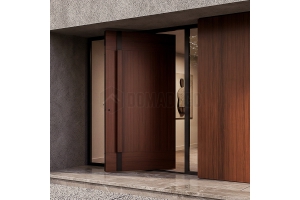
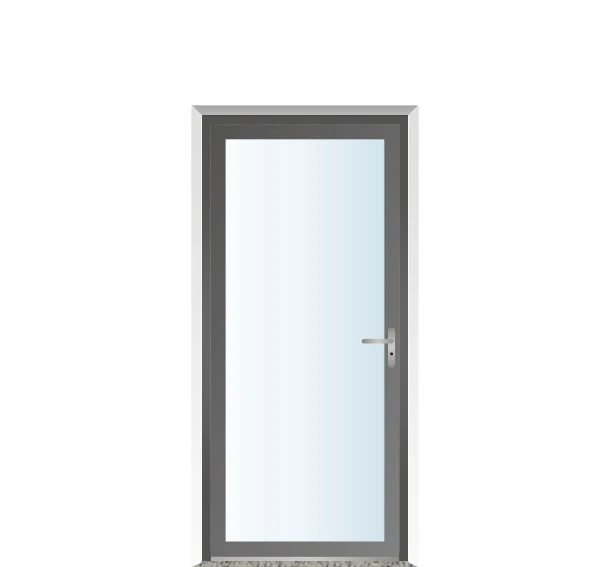
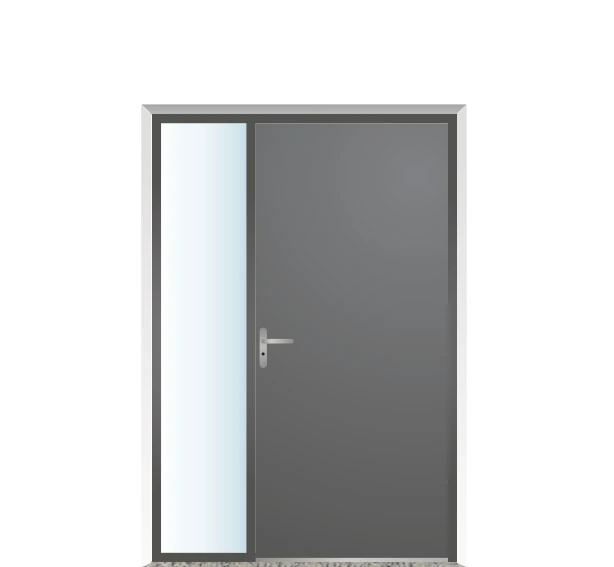
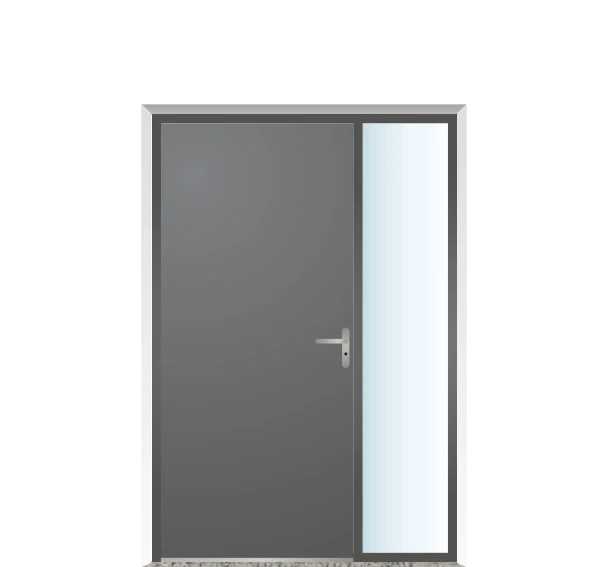
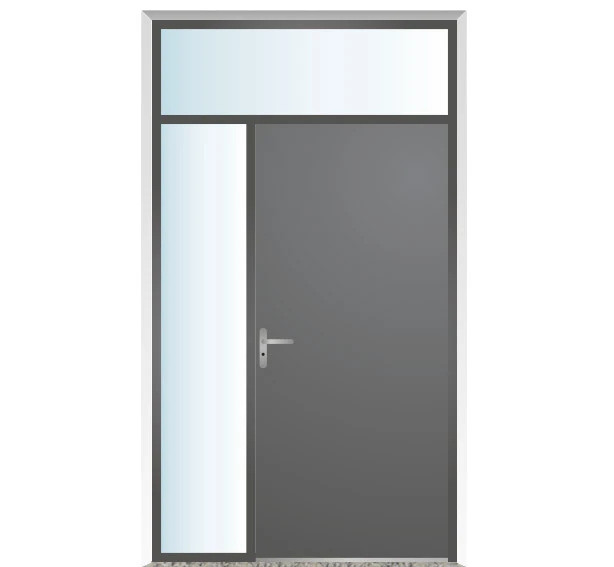
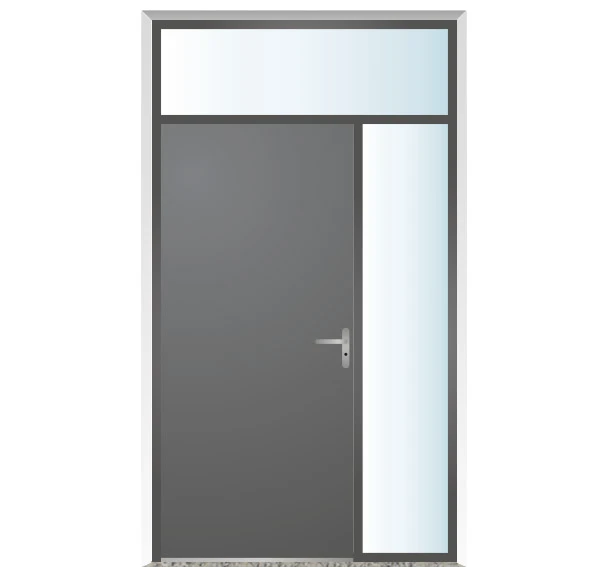
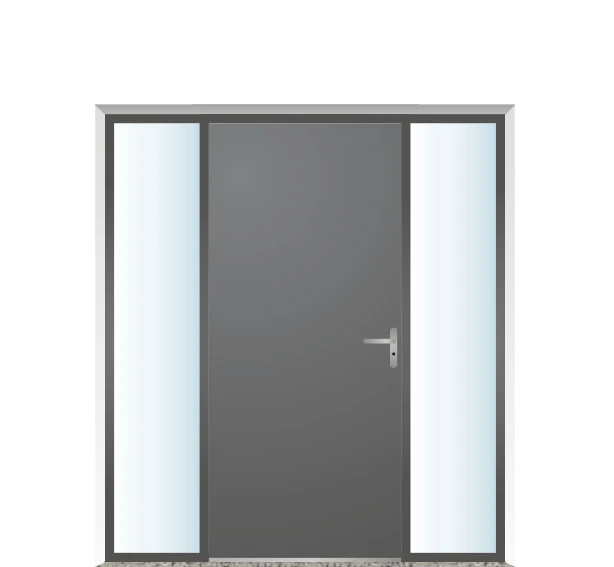
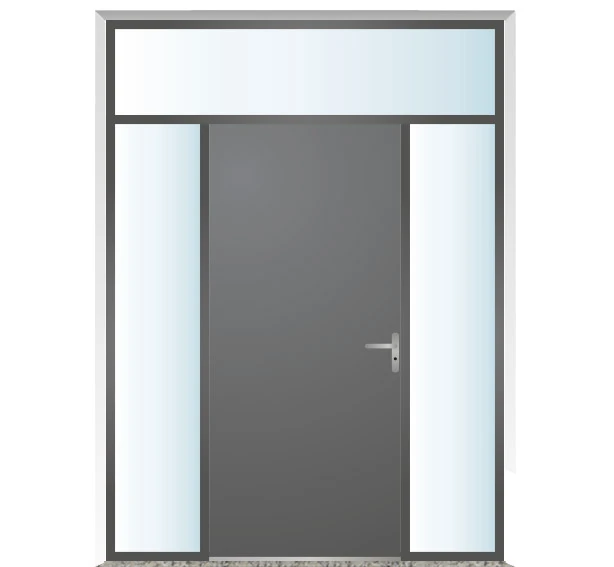
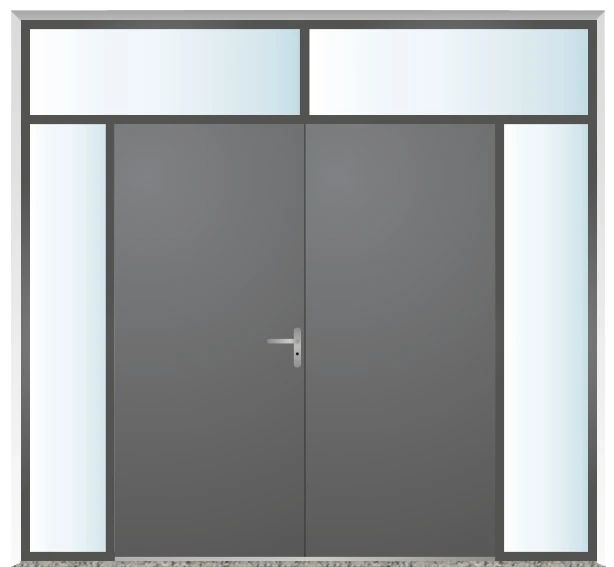
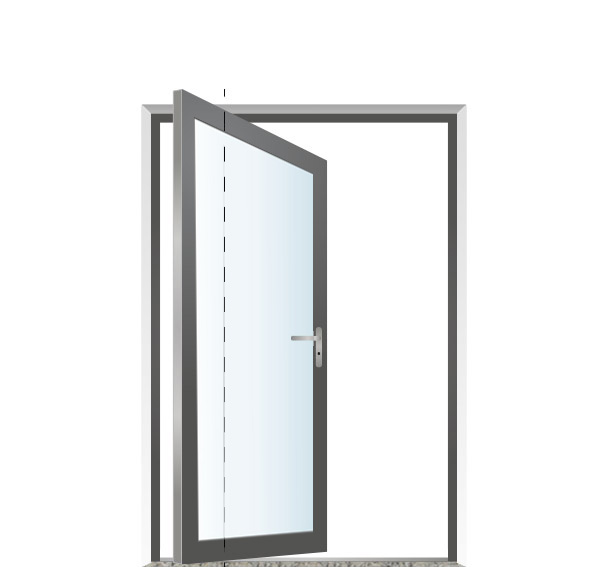
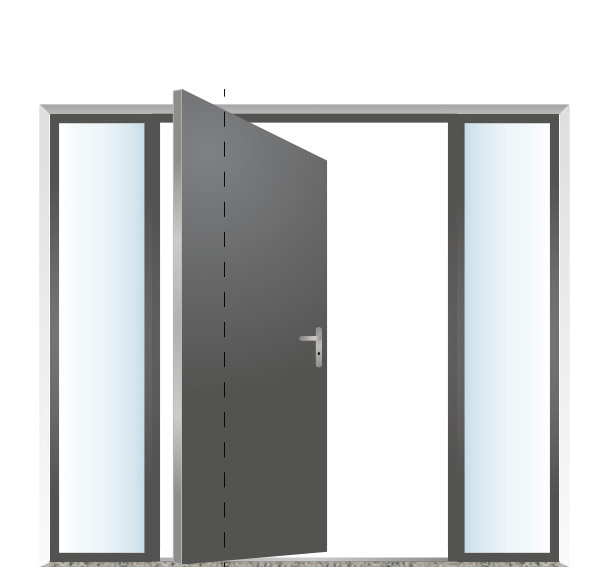
Typically, aluminium doors are best suited for modern-style homes. They excel in designs that prioritize space, natural light, and clear views because their slender frames can accommodate larger glass panels. This allows more daylight to enter and creates a bright, open, and contemporary atmosphere, making aluminium doors an excellent choice for new constructions, high-end extensions, and glazed living spaces.
Aluminium is also incredibly strong, providing structural support for wide openings like sliding doors. It remains sturdy under heavy loads and various weather conditions, resisting warping, rust, and break-ins. With proper maintenance, aluminium doors can last between 40 to 60 years, even in challenging environments such as coastal regions.
Additionally, aluminium offers a wide range of custom design possibilities. Its powder-coated finishes maintain their color and resist fading for many years. There are over 200 RAL color options available, including dual-tone finishes, allowing you to perfectly coordinate with your aluminium windows and overall home design.
Moreover, aluminium is an eco-friendly choice since it is fully recyclable and maintains its quality through multiple reuse cycles. These qualities make aluminium doors a low-maintenance, durable, and sustainable investment for the long term.
When to Select uPVC Doors
There are certain circumstances where uPVC doors might be the most suitable choice. One of the main reasons is affordability—uPVC doors typically cost 20–40% less than aluminium, making them an attractive option for homeowners on a budget or for projects requiring multiple doors. Additionally, uPVC doors provide excellent thermal efficiency. Their construction helps minimize heat loss, which can contribute to lower energy bills. When paired with high-quality double or even triple glazing, uPVC doors deliver impressive thermal performance. Noise reduction is another benefit of uPVC doors. The material and design help to limit sound transmission, making them ideal for properties located near busy streets or urban areas. Moreover, uPVC offers versatile design options, with a wide range of colors and woodgrain finishes available. This makes uPVC doors a great fit for traditional or cottage-style homes. If you already have uPVC windows, choosing matching uPVC doors ensures a cohesive and uniform appearance.
Price Variations
The cost of uPVC and aluminium doors depends on factors such as size and style. However, average price ranges can provide a general understanding: aluminium doors tend to have a higher upfront cost. Despite this, it’s important to factor in their longer durability and superior design. A high-quality aluminium door can last between 40 and 60 years, whereas uPVC doors typically last 20 to 30 years, making aluminium doors a better investment over time.
Longevity and Strength
Both uPVC and aluminium are strong and require minimal upkeep. However, aluminium clearly outperforms uPVC in terms of lifespan. Typically, a uPVC door lasts between 20 and 30 years but may fade, warp, or become brittle over time, especially when exposed to intense sunlight or fluctuating temperatures. In contrast, aluminium doors have a lifespan of approximately 40 to 60 years and are resistant to corrosion, weather damage, and physical impact. Their powder-coated finishes remain vibrant and durable even in challenging conditions, making aluminium a superior choice for homeowners prioritizing quality and durability. Additionally, both materials offer high security and can be equipped with advanced locking systems and security features.
Thermal Performance
To begin with, uPVC doors are recognized for their inherent ability to retain heat effectively. This is due to their multi-chambered frame design, which minimizes heat transfer and works especially well when paired with modern glazing. In the past, aluminium doors were less energy-efficient compared to uPVC. However, contemporary aluminium doors now feature thermal breaks and cutting-edge insulation materials like Aerogel, significantly enhancing their thermal performance. Thanks to these advancements, aluminium doors are now equally efficient, and in some cases even more efficient, than uPVC options.
Main Variations in Design and Personalization Options
In conclusion, both materials offer a broad variety of design possibilities. uPVC doors usually feature thicker frames, which can reduce the amount of natural light entering your home. Nevertheless, they are highly adaptable and can be customized to complement your existing uPVC windows. Conversely, aluminium doors have very slim frames that maximize natural light and provide clear, unobstructed views. They easily coordinate with glass roof systems and windows, helping to maintain a cohesive design aesthetic throughout your home. With a wide selection of colors, dual finish options, and precise craftsmanship, aluminium doors are an excellent option for elegant, sophisticated properties.
Which Option Suits Various Situations Best?
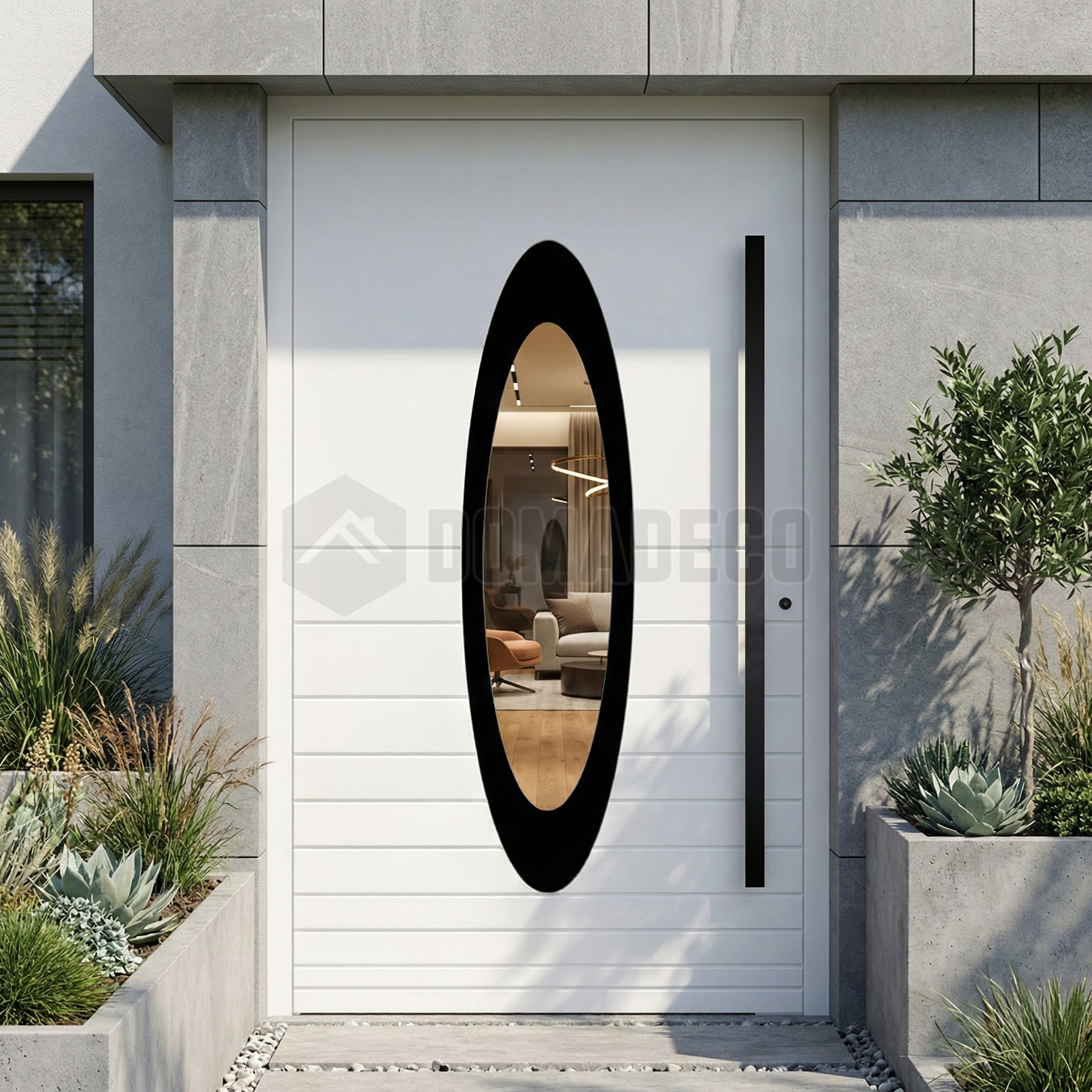
The advantages and disadvantages of aluminium and uPVC doors make each better suited for different situations: For front doors, aluminium is an excellent premium choice if you want to create a striking, contemporary entrance that offers both security and style. uPVC, meanwhile, works well for traditional homes or projects with limited budgets. Aluminium’s strength makes it ideal for large glass panels and slim frames, making it perfect for sliding patio doors or heavy French doors. uPVC is generally better suited for smaller openings where less structural strength is needed. Both materials are easy to maintain with minimal upkeep, but aluminium offers superior corrosion resistance and weatherproofing, making it the more durable option over time. While aluminium doors tend to be more expensive initially, they can last for decades. On the other hand, uPVC comes with a lower upfront cost but may deteriorate faster and require replacement sooner.
Assisting You in Selecting the Perfect Doors for Your Home
In summary, both aluminium and uPVC doors offer distinct benefits. The best option for your home will depend on your specific needs and the style of your property. uPVC doors are cost-effective, energy-efficient, and practical, making them ideal for traditional homes or those with budget constraints. On the other hand, aluminium doors provide lasting durability along with a modern look and excellent functionality. Explore the Atlas Aluminium doors collection to find designs that combine style, security, and long-lasting value. For personalized guidance on your design project, feel free to reach out to our experts.
Conclusion
If you want a modern, durable, and eco-conscious option, aluminium doors are likely the ideal choice for your project. On the other hand, if affordability and thermal efficiency are your top priorities, uPVC doors could be a better fit. Access Automation is available to help you explore these options and determine the perfect solution for your specific needs.