












When is the best time to order windows for a new build to avoid delays
When is the best time to order windows for a new build to avoid any delays?
When building a house, people often fixate on the installation date, forgetting that the timing of placing the order is just as crucial. Most windows are custom-made, meaning the manufacturer has to produce them according to specific dimensions, technical parameters, and chosen features. Lead times can range from a few to several weeks, especially during the peak construction seasons in spring and summer.
Ordering windows too late frequently disrupts the construction schedule. Without windows, the building cannot reach the lock-up stage, preventing the transition to subsequent work phases. As a result, interior installations, plastering, floor screeds, and finishing works may face delays. Essentially, any pushback in window installation creates a domino effect on the entire building process. To avoid this, orders should be placed several weeks prior to the planned installation.
For custom designs, large glazing, or wooden windows, the waiting period can be even longer. Therefore, when planning your build, it’s vital to order the windows early enough—but not before accurate measurements of the window openings can be taken on-site.
At what stage of building a house should you take measurements and order windows?
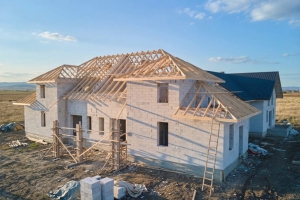
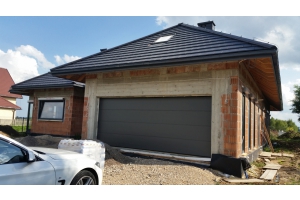
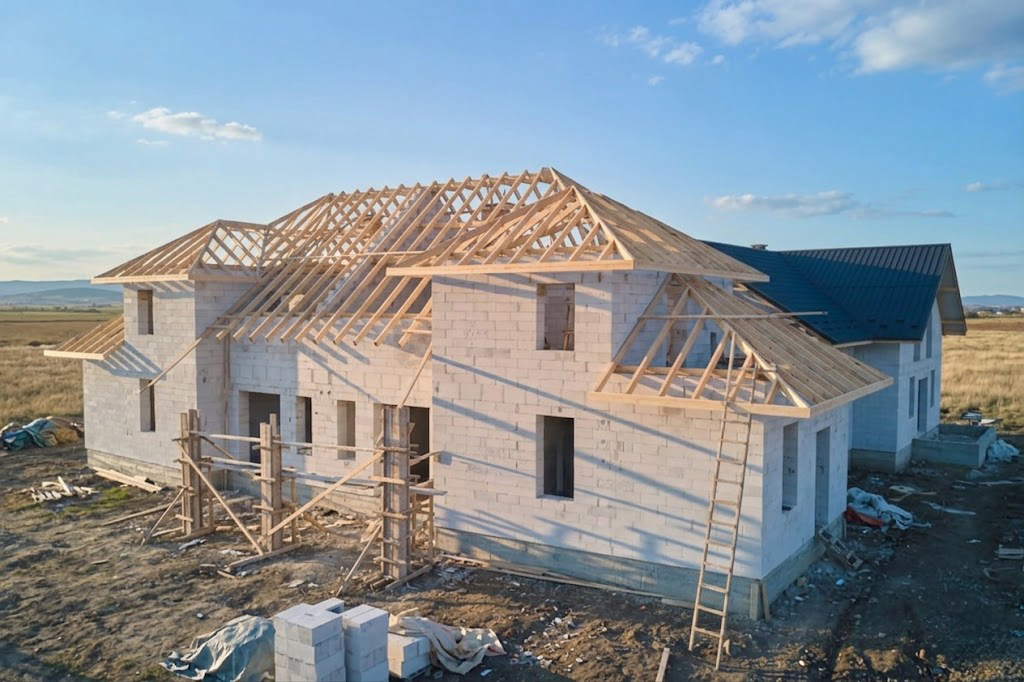
The ideal time to measure for windows is when the building reaches the open shell stage. By this point, all major structural elements—such as load-bearing walls, ceilings, gable walls, and the roof framework—should be complete. This ensures that the window openings have reached their final size, allowing for accurate specifications before placing an order.
It is crucial to remember that architectural blueprints do not always align perfectly with the actual, built dimensions. Even minor discrepancies that occur during the masonry phase can significantly impact custom window manufacturing. Therefore, relying solely on project plans to order your windows carries a high risk of costly mistakes.
Taking precise measurements on-site also helps factor in your chosen installation method. Many homeowners now opt for layered installation or mounting the windows directly within the insulation zone. These techniques require specific opening preparations and exact installation clearances, all of which must be determined before manufacturing begins.
Why shouldn't you order windows too early?
One of the most significant risks is the potential discrepancy between the blueprint dimensions and the actual window openings. Minor structural changes are common during construction, whether due to building techniques, design adjustments, or late decisions made by the homeowner. If windows are manufactured before precise on-site measurements are taken, installing them might become incredibly difficult or even impossible without expensive structural modifications.
Another major challenge is long-term storage. Windows must be kept in a controlled environment to protect them from moisture, dirt, and accidental impact. However, finding a safe, secure spot on an active construction site to store bulky, fragile items for several months is highly impractical.
The longer the windows sit on the site, the higher the chances of damaging the frames, glass, hardware, or exterior finishes. Wooden windows are particularly vulnerable; prolonged exposure to moisture and harsh weather can ruin them. Because of this, wooden joinery should typically only be installed after the roof is fully complete and the building is weatherproofed.
Finally, premature ordering often leads to hidden storage expenses. These can include renting warehouse space, paying for extra transport to and from the site, or repeatedly repacking the products to protect them from ongoing construction work. In the worst-case scenario, damaged components will need to be entirely replaced, causing further delays and inflating your budget.
What is the optimal stage for window installation in new construction, and which variables influence this timeline?
Window installation is typically scheduled after the primary structural work and roofing are complete. This approach ensures the building's interior is shielded from the weather and protects the window units from prolonged exposure to moisture. Once the windows are in place, the project reaches a weathertight, closed-shell stage, clearing the way for the next phases of construction.
The installation timeline must align closely with the schedule for interior work. Securing the building envelope allows for the safe installation of electrical, plumbing, and heating systems. Following this, plastering and floor screeding take place—processes that release a substantial amount of construction moisture into the air. Consequently, frequent ventilation is essential during this phase to prevent condensation from building up on the glass and window profiles.
How does the type of window frame affect the installation time?
The timing of the installation also depends on the window material you choose. PVC and aluminum windows hold up well in typical construction site conditions, which is why they are often fitted before plastering and screeding. They can handle the high humidity generated during "wet work," though they still need proper covering to prevent dirt and physical damage.
Wooden windows, however, require a different approach. Since wood is much more sensitive to moisture, these frames shouldn't be left unprotected in an unfinished building for long periods. Because of this, homeowners usually decide to install wooden windows only after the roof is completed and the risk of excessive indoor dampness has dropped.