












Are Pivot Doors Secure?
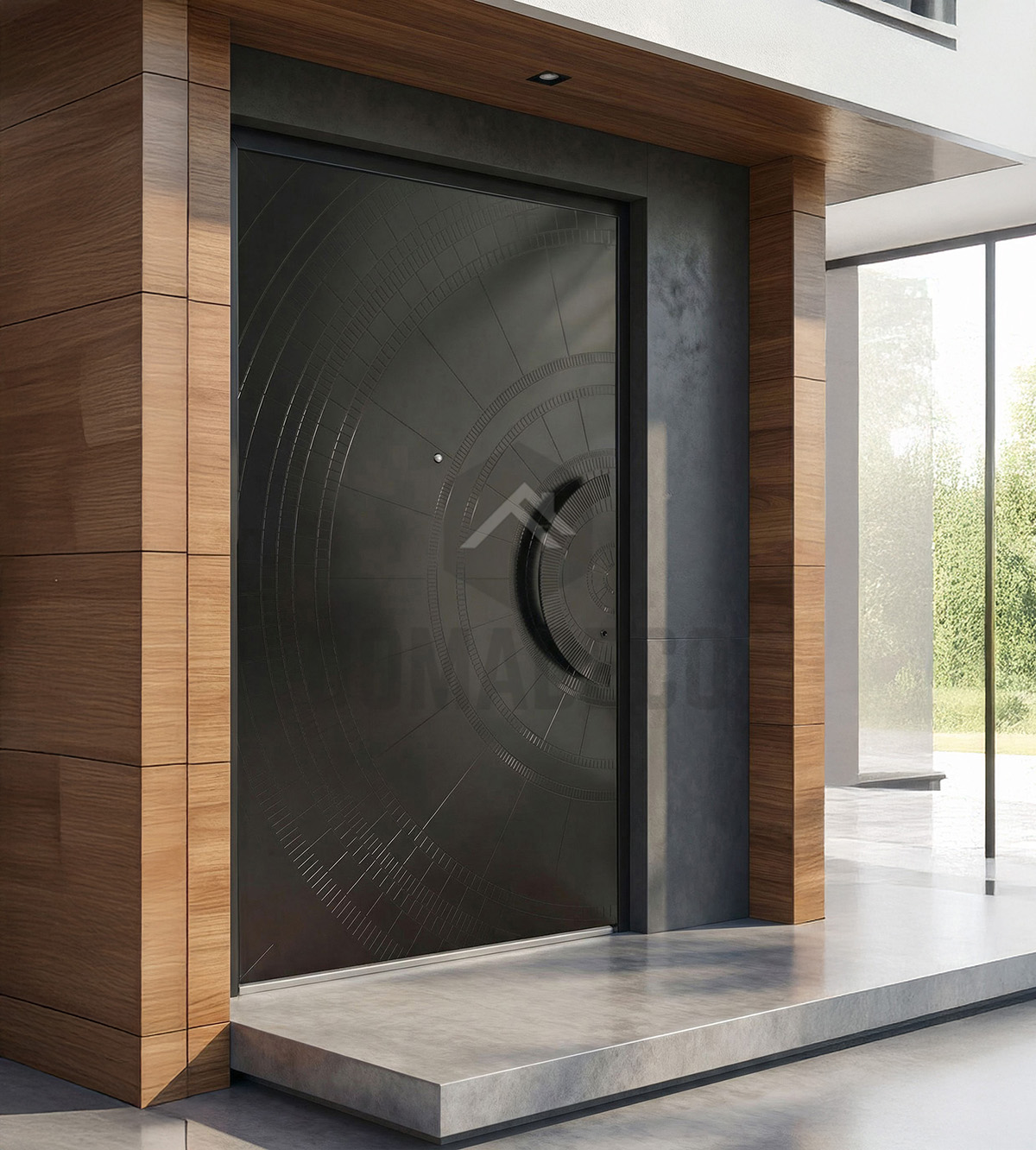
Pivot doors have gained popularity as a stylish choice, particularly in modern and minimalist architecture. While their sleek design makes them a striking focal point, many wonder if their aesthetic appeal affects their security. In this article, we’ll examine the security aspects of pivot doors, address common misconceptions, and determine if they offer a safe option for your home.
Pivot doors have gained popularity for exterior entrances because of their impressive visual appeal and advanced engineering. They accommodate larger and heavier designs, improving both style and providing excellent insulation and security. With hidden hinges and sturdy construction, these doors offer long-lasting durability and resistance to weather conditions. Blending traditional charm with contemporary practicality, exterior pivot doors present a sophisticated and functional choice for building entryways.
In architectural design, a building’s entrance is more than just an entry point; it serves as a powerful expression of the purpose and creativity within. It should both showcase what’s inside and warmly welcome those outside. This is likely why pivot doors have become increasingly favored for exterior entrances, particularly in the United States, where nearly 80% of pivot doors are installed as exterior doors. Conversely, in Europe, the trend is quite different, with 80% of pivot doors used indoors. Considering these variations, it’s the perfect opportunity to explore why pivot doors are such a great option for exterior applications.
How Would You Define Pivot Doors?
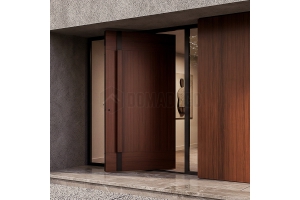
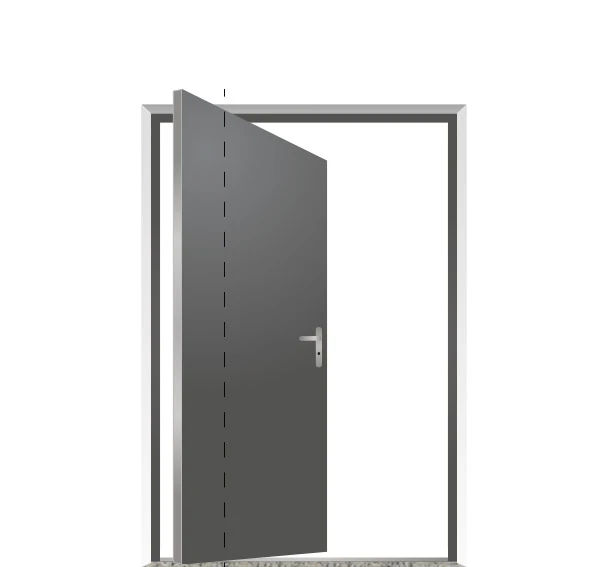
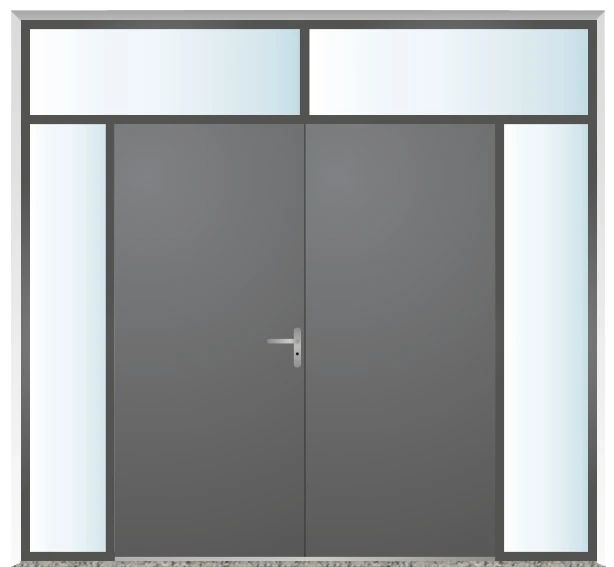
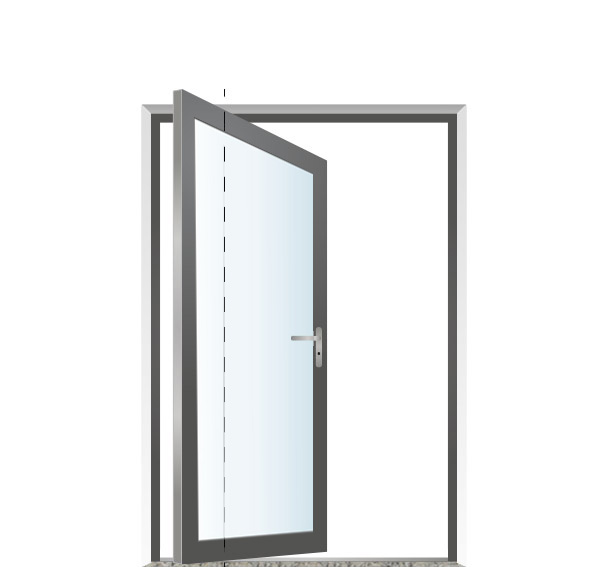
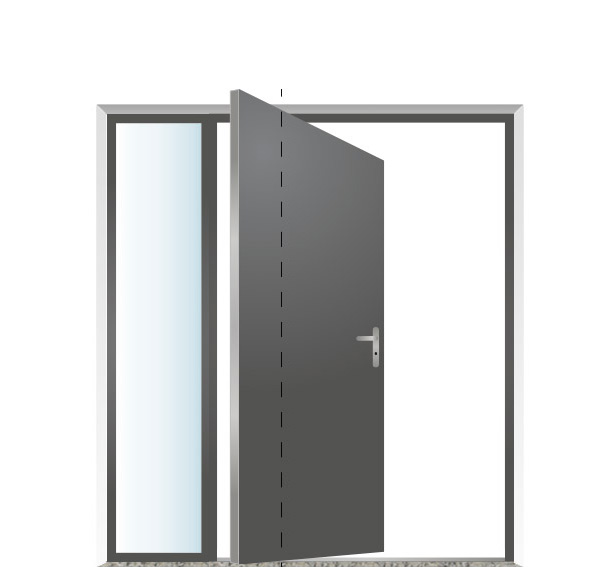
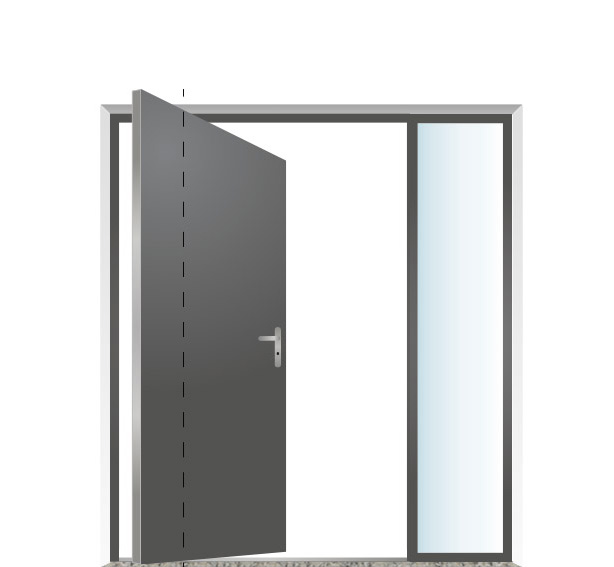
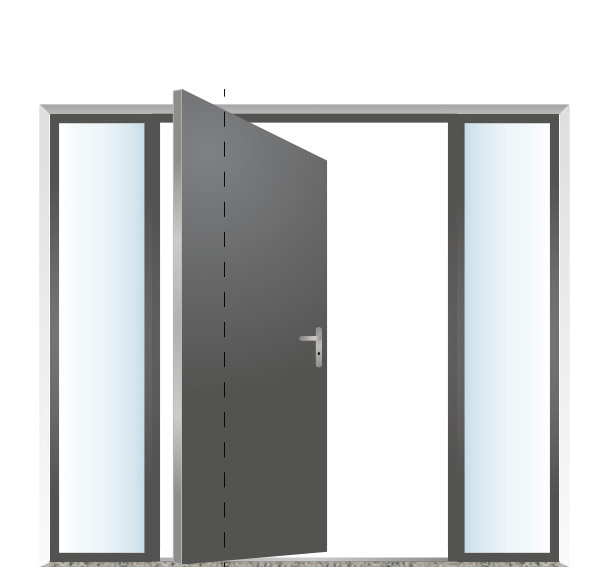
Before exploring their security features, it’s important to first understand what pivot doors are and how they differ from conventional hinged doors. Instead of swinging on side-mounted hinges like traditional doors, pivot doors rotate around a pivot point located either in the center or near the edges. This unique mechanism creates a sleek, minimalist appearance commonly found in high-end residences and contemporary commercial spaces.
What Level of Security Do Pivot Doors Provide?
The primary worry many have about pivot doors is that their distinctive design might compromise security. Thankfully, manufacturers have implemented solutions to overcome these issues. Let’s examine the main elements that enhance the security of pivot doors.
1. Material Durability
A crucial factor in a door’s security is the strength of the material used. Pivot doors are typically constructed from premium materials like steel, aluminum, or solid wood, which provide exceptional sturdiness. In many cases, pivot doors are engineered to be even more robust than conventional doors to support their larger size and weight. The greater the thickness and quality of the material, the more difficult it becomes for intruders to force entry.
2. Locking Systems
Many people are concerned that pivot doors don’t have conventional locks. However, contemporary pivot doors come with advanced multi-point locking systems. These locks secure the door at several points—usually along the top, bottom, and sides of the frame—distributing the locking force evenly. This makes it much harder to pry the door open than with traditional single-point locks. In fact, multi-point locking mechanisms are widely regarded as one of the most effective security features for residential doors.
3. Pivot Hardware
The hardware that supports pivot doors plays a vital role in their overall security. Premium pivot hinges are engineered not only to bear the door’s weight but also to resist tampering or removal from the exterior. Many pivot door systems use hidden hinges, providing added security since they are difficult for intruders to reach or tamper with. Furthermore, modern pivot mechanisms offer adjustable features that ensure the door fits precisely within the frame, minimizing gaps that could otherwise be exploited.
Widespread Myths Regarding the Security of Pivot Doors
Pivot Doors Are Vulnerable to Break-Ins
Although earlier models of pivot doors might have had limited security measures, contemporary pivot doors have significantly improved. Equipped with multi-point locking systems and made from strong, durable materials, today’s pivot doors offer a high level of protection and are far from being easy to breach.
They Are More Prone to Being Forced Open Due to Their Size
Although pivot doors are generally bigger than standard doors, their multiple locking points make them highly resistant to tampering. Plus, many pivot doors are constructed using reinforced glass or metal, which significantly enhances their strength and lowers the chances of forced entry.
The Pivot Point Is a Security Weakness
is a common belief. In reality, most contemporary pivot door systems feature hidden, tamper-resistant hardware that is very difficult to interfere with. Moreover, the pivot mechanism reduces stress on the hinges compared to conventional doors, potentially making pivot doors even more secure over time.
Enhanced Security Options for Pivot Doors
If security remains a concern, you can enhance your pivot door’s safety with these extra measures:
Smart Locks: Many contemporary pivot doors can be equipped with smart lock systems, enabling you to manage access remotely via your smartphone.
Reinforced Glass: For pivot doors featuring glass panels, upgrading to reinforced or bullet-resistant glass offers added defense.
Security Cameras: Adding a security camera or video doorbell provides surveillance of your entrance and discourages unauthorized access.
In Summary: Are Pivot Doors Secure?
Absolutely—pivot doors can provide security equal to or even surpassing that of traditional hinged doors. Thanks to improvements in locking technology, durable materials, and tamper-resistant hardware, pivot doors serve as a reliable safeguard for your home. While their elegant design often draws attention, you can rest assured that modern pivot doors do not compromise on security. If you’re thinking about installing a pivot door but have any questions or concerns, don’t hesitate to reach out. We’re here to help you explore the best security features for your home and support you in making a well-informed choice. After all, your home deserves both style and safety.