













Garage Door Installation: Key Factors for Long-Term Reliability
The Importance of Proper Garage Door Installation
Installing a garage door is a crucial step in finishing your garage, as it directly impacts the convenience, security, and overall lifespan of the structure.
Key Elements of a Successful Setup:
-
Accurate Preparation: Ensuring the door opening is perfectly measured and ready.
-
Precise Alignment: Carefully installing and leveling the tracks.
-
Fine-Tuning: Properly adjusting the internal mechanisms for smooth operation.
Why Getting It Right Matters: The daily reliability of your door depends entirely on these steps being executed flawlessly. Subpar installation often leads to hidden structural or mechanical issues that only become apparent over time. Understanding how the installation process works—and knowing exactly what to look out for—is essential to preventing frustrating and expensive mistakes down the road.
Garage Door Installation: What It Entails and When to Schedule It
Fitting a sectional, roller, or tilt-up garage door is a highly technical procedure that involves securing the door within the opening and fine-tuning its components. This entails the precise alignment of the framework, tracks, and operating mechanisms to ensure seamless movement. Rather than merely assembling pre-made parts, it is a critical task that dictates the door's performance right from the start.
Planning the installation at the right stage of your construction project is essential:
-
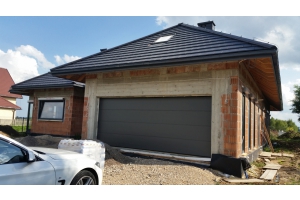
New Builds: The installation should only take place after all wet trades (like plastering) and flooring are complete, ensuring the garage opening has reached its final measurements.
-
Renovations: When upgrading or replacing an older door, the primary focus is adapting the new system to the current space and carefully evaluating the structural integrity of the walls and lintel.
A correctly executed installation directly guarantees long-term durability and everyday convenience. It ensures the door glides effortlessly, provides a proper seal, and avoids putting unnecessary strain on the motor or springs. Conversely, installation errors often lead to premature component wear, excessive noise, or difficulties in fully closing the door. Because of this, fitting a garage door should be viewed as a foundational step in your project, whether you are building from scratch or upgrading an existing space.
Preparing the Garage Opening for Door Installation
Properly prepping the garage opening is a foundational step that directly impacts both the installation process and the future performance of the door.
Exact Dimensions The opening must strictly adhere to the manufacturer's specified measurements, including width, height, and overall garage depth. Even the slightest deviations can make fitting the tracks difficult or compromise the door's weather sealing once closed.
Plumb, Level, and Flooring Perfectly vertical walls and a level floor are absolutely essential. The side walls must be straight, and the floor must be completed to its final, finished height. An uneven floor creates significant gaps at the bottom edge, making sealing and adjusting the door extremely frustrating. In practice, installing a garage door before the final flooring is poured almost always guarantees that adjustments will be needed later.
Inspecting the Lintel and Jambs Before fitting the door, carefully evaluate the lintel (header) and side jambs. The lintel must provide adequate headroom for the tracks and lifting mechanisms, and its surface needs to be solid and load-bearing. The side jambs must also offer a sturdy anchoring point for the framework to prevent any future settling or warping.
Common Pitfalls to Avoid The most frequent mistakes that complicate a garage door installation include:
-
Creating an opening with insufficient clearance.
-
Having crooked or out-of-plumb walls.
-
Leaving surfaces unfinished.
-
Proceeding with the installation before general construction works are completed.
A meticulously prepared garage opening prevents these installation headaches and ensures the door operates flawlessly from the very first use.
A Step-by-Step Guide to Garage Door Installation
1. Setting Up the Framework The installation process kicks off by positioning the load-bearing components within the garage opening and meticulously aligning the entire structure. During this phase, installers verify all plumb lines, levels, and mounting axes. Establishing a flawless foundational alignment is critical, as it dictates the success of the remaining tasks and prevents functional issues down the line.
2. Installing the Tracks and Door Panels The next phase focuses on securing the tracks, which dictate the door's path of motion. These must be anchored firmly and kept perfectly parallel to avoid any twisting or structural tension. Following this, the door sections (or panels) are assembled. It is crucial to ensure that all parts connect correctly and glide without obstruction. Precision is vital here, as even minor misalignments will negatively impact everyday operation.
3. Calibrating the Springs and Lifting Mechanism Tensioning the springs is arguably one of the most critical stages of the installation. The lifting system must be perfectly balanced against the door's weight, allowing the door to move smoothly and with minimal effort. When calibrated correctly, the door will not drop unexpectedly on its own and will remain stable when paused mid-cycle.
4. Final Inspection and Testing Once the physical assembly is complete, a comprehensive operational test is mandatory. This involves evaluating the smoothness of the open-and-close cycles, confirming the stability of the tracks, and double-checking the security of all hardware and fasteners. The installation is only deemed complete and ready for safe, daily use once it passes these final quality and safety checks.
Installing an Electric Garage Door Opener
When to Choose Automation Opting for a motorized garage door is the best choice if you value everyday convenience and consistent, smooth operation. An automated system is especially beneficial for heavily used garages, properties with direct street access, and oversized or heavy doors. The electric motor helps reduce mechanical strain on the door's components by ensuring a steady, controlled movement every time it opens or closes.
Mounting and Aligning the Motor The foundation of a successful automated setup is selecting an opener that perfectly matches the door's specific dimensions and type. The motor must be securely anchored to a solid ceiling or structural beam, kept perfectly centered with the door. To prevent any jerking or uneven lifting, the opener's rail must align exactly with the door's lifting mechanism. Crucially, the motor should only be installed and engaged after the door has been perfectly balanced and adjusted manually.
Electrical Setup and Safety Features Power must be routed in strict accordance with the manufacturer's guidelines and local electrical codes. A vital step in the programming phase is setting the travel limits, which teach the motor exactly where to stop when fully opening and closing the door. Furthermore, integrating safety devices—such as obstacle sensors or photoelectric eyes—is essential. These features significantly enhance user safety and protect the mechanism from accidental damage.
Common Pitfalls to Avoid Frequent errors during automated installations include:
-
Misaligning the drive rail.
-
Mounting the motor off-center.
-
Failing to correctly adjust the motor's operating force.
-
Attaching an opener to a poorly balanced door.
Hooking up a motor to a door that hasn't been properly adjusted manually forces the automated system to overwork, leading to rapid wear and tear. A meticulous and correct installation eliminates these issues, guaranteeing reliable performance for years to come.
Common Garage Door Installation Mistakes and How to Avoid Them
Misaligned Tracks Failing to level the tracks perfectly is one of the most frequent installation errors. Even the slightest misalignment forces the door to move with resistance, causing the panels to scrape against the frame and accelerating the wear and tear of the entire system. Often, this problem is not immediately apparent but surfaces a few weeks later when the door starts operating loudly or unevenly.
Improper Spring Installation and Lack of Calibration Another major pitfall is incorrectly fitting the springs or skipping their adjustment entirely. Springs are responsible for counterbalancing the massive weight of the door, meaning they must be selected and tensioned with absolute precision. Incorrect spring tension severely overloads the tracks and the motor, which in extreme cases can lead to a complete breakdown of the lifting mechanism.
Ignoring Expansion Clearances Leaving out essential mounting clearances is a widely overlooked issue. Garage doors are constantly subjected to temperature fluctuations and mechanical stress, so the framework needs a small amount of breathing room to shift naturally. Forcing the components together too rigidly creates structural tension, which ultimately damages the door's long-term durability and ruins its weather seal.
Tailoring Garage Door Installation to Operating Conditions
The Impact of Temperature and Humidity Environmental factors play a very real role in how your garage door functions. In unheated garages, materials naturally expand and contract with temperature shifts, which can cause minor structural movements. If the installation process fails to account for these thermal changes, you will eventually run into issues with the door sticking, moving unevenly, or losing its bottom seal.
Adjusting for Usage Intensity A garage door that cycles open and closed twice a day requires a different setup approach than one operating twenty times a day. For high-traffic garages, perfectly calibrating the springs and ensuring an even load distribution across the tracks is absolutely critical. A professional installation should always be adapted to your real-world daily routines, rather than just relying on the baseline technical specifications of the door.
The Importance of Weatherproofing and Post-Install Tweaks A door's ability to keep out drafts and moisture doesn't rely solely on its manufacturing quality; it depends heavily on the precision of the installation. Poorly aligned tracks or a lack of fine-tuning after the initial break-in period will inevitably lead to gaps and leaks. Routine checks and minor adjustments in the weeks following the installation are essential to keep the door running smoothly despite changing weather.
Why Think About Long-Term Wear During Installation? The initial setup is your best opportunity to shape the future reliability of your garage door. By factoring in long-term operational variables—such as local climate, usage frequency, and the specific opening mechanism—you can proactively prevent a host of future problems. A thoughtfully planned and meticulously executed installation ensures stable, long-lasting perform