






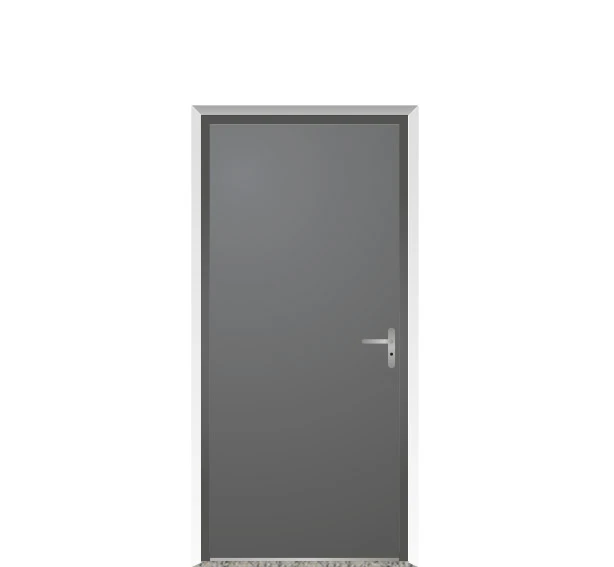
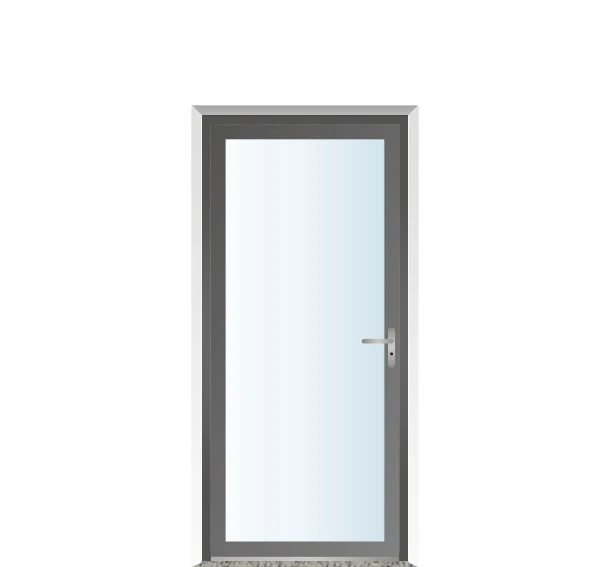
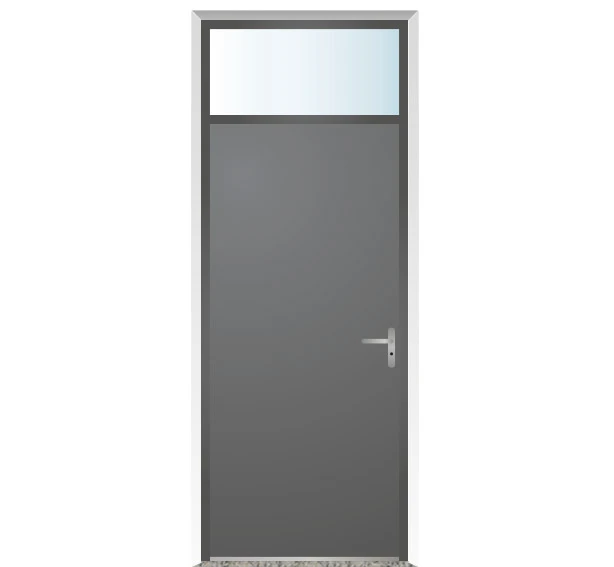
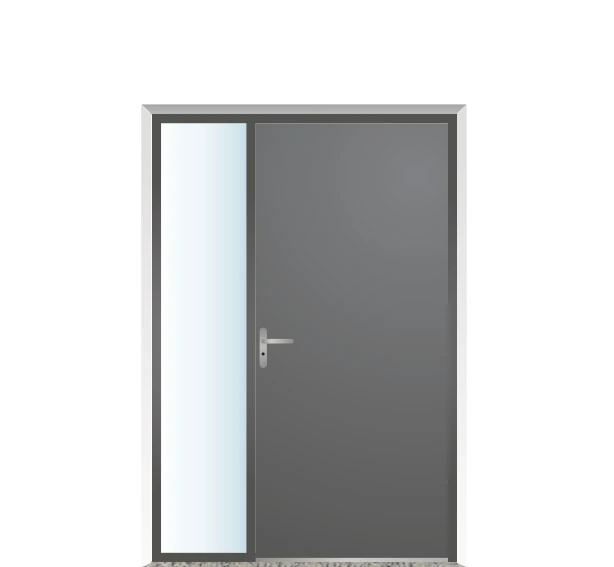
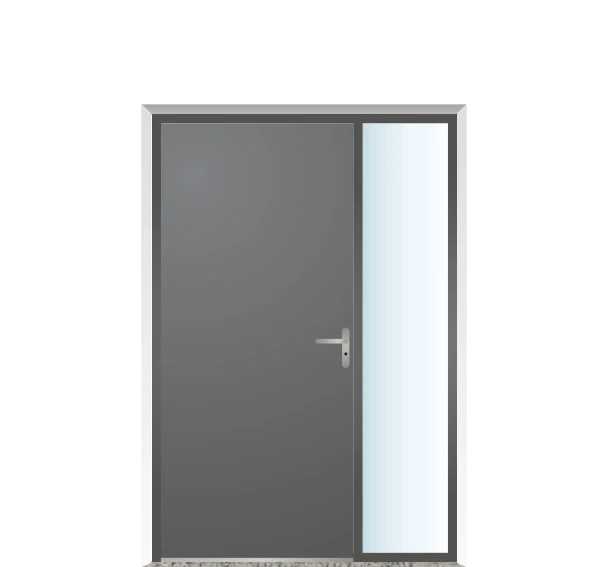
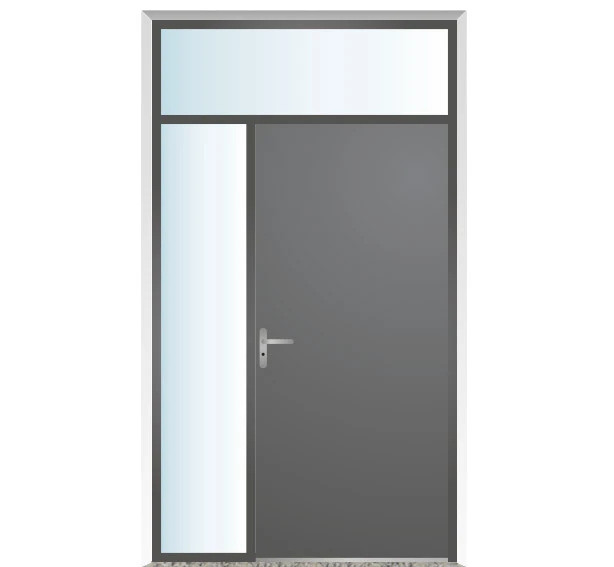
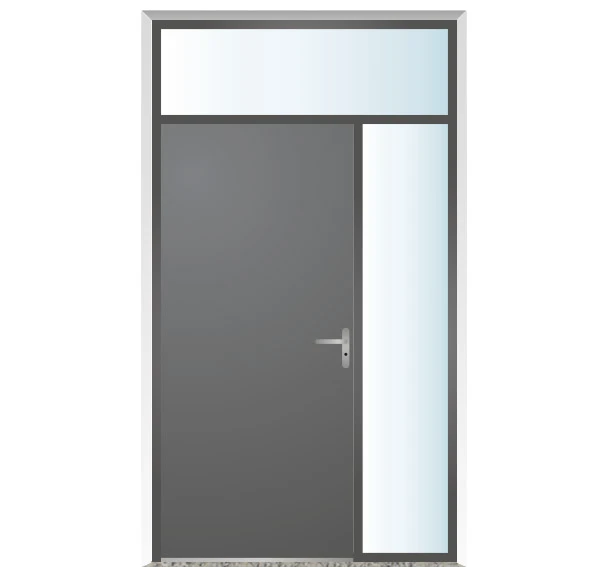
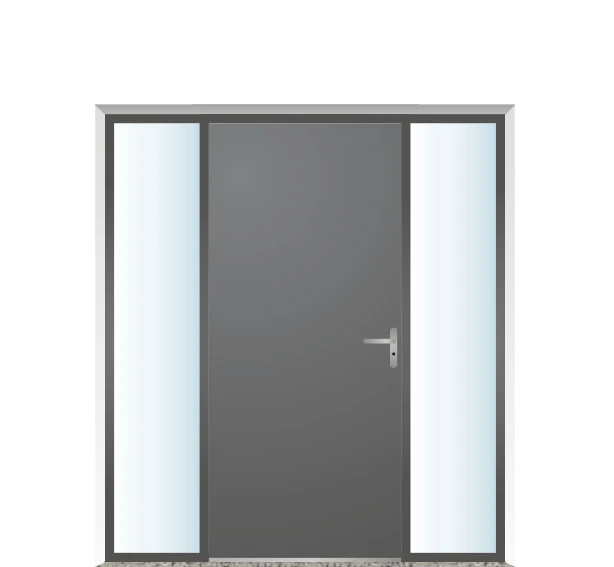
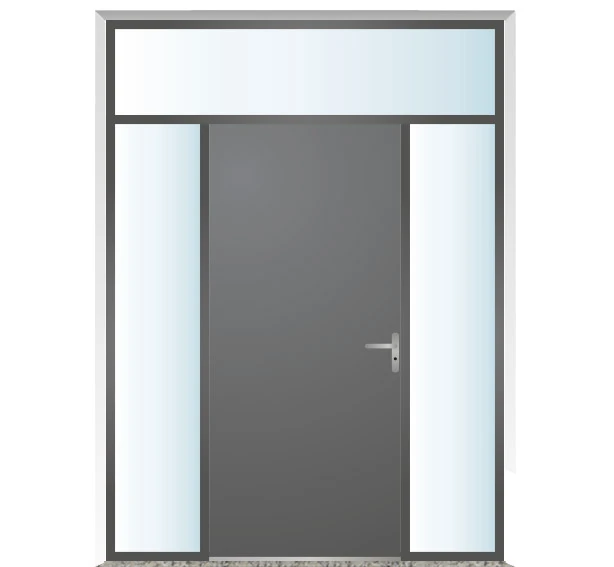
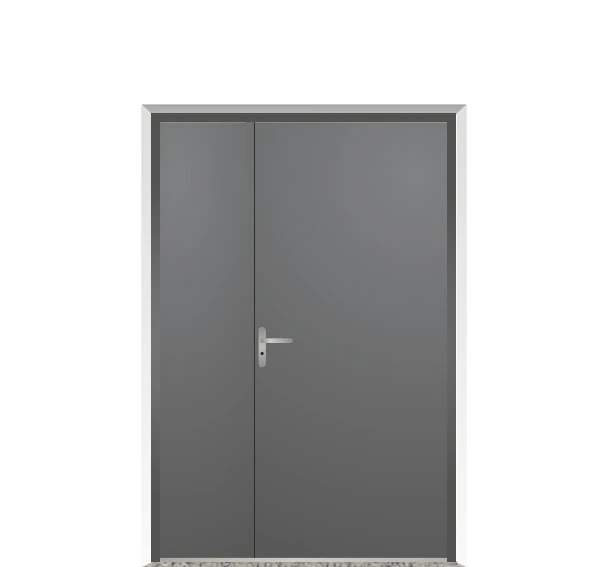
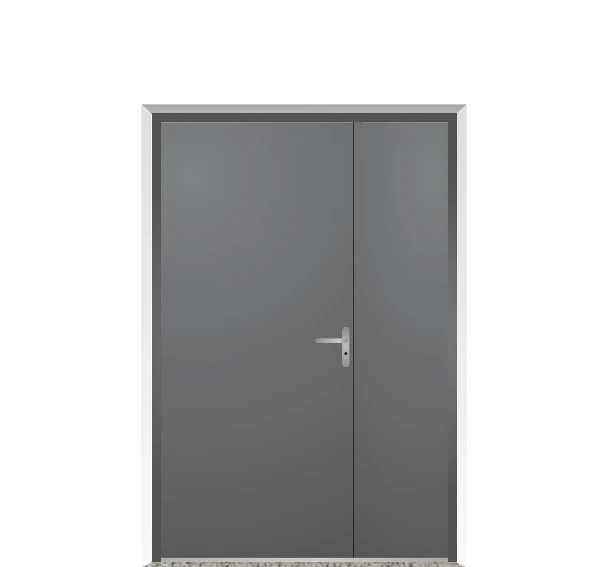
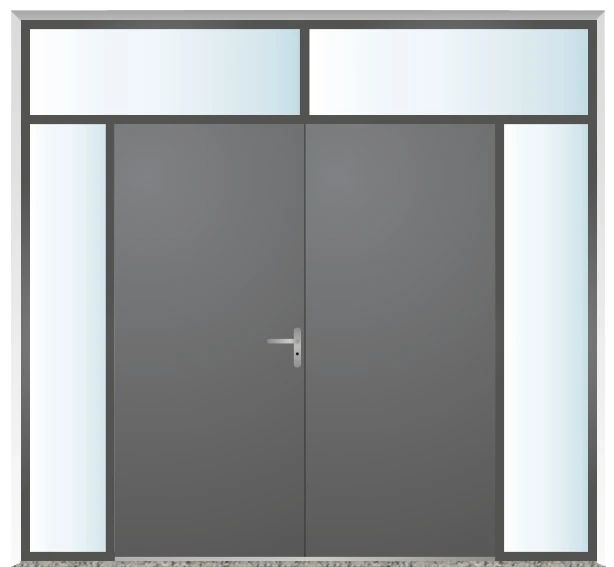






What Is a Pivot Door?
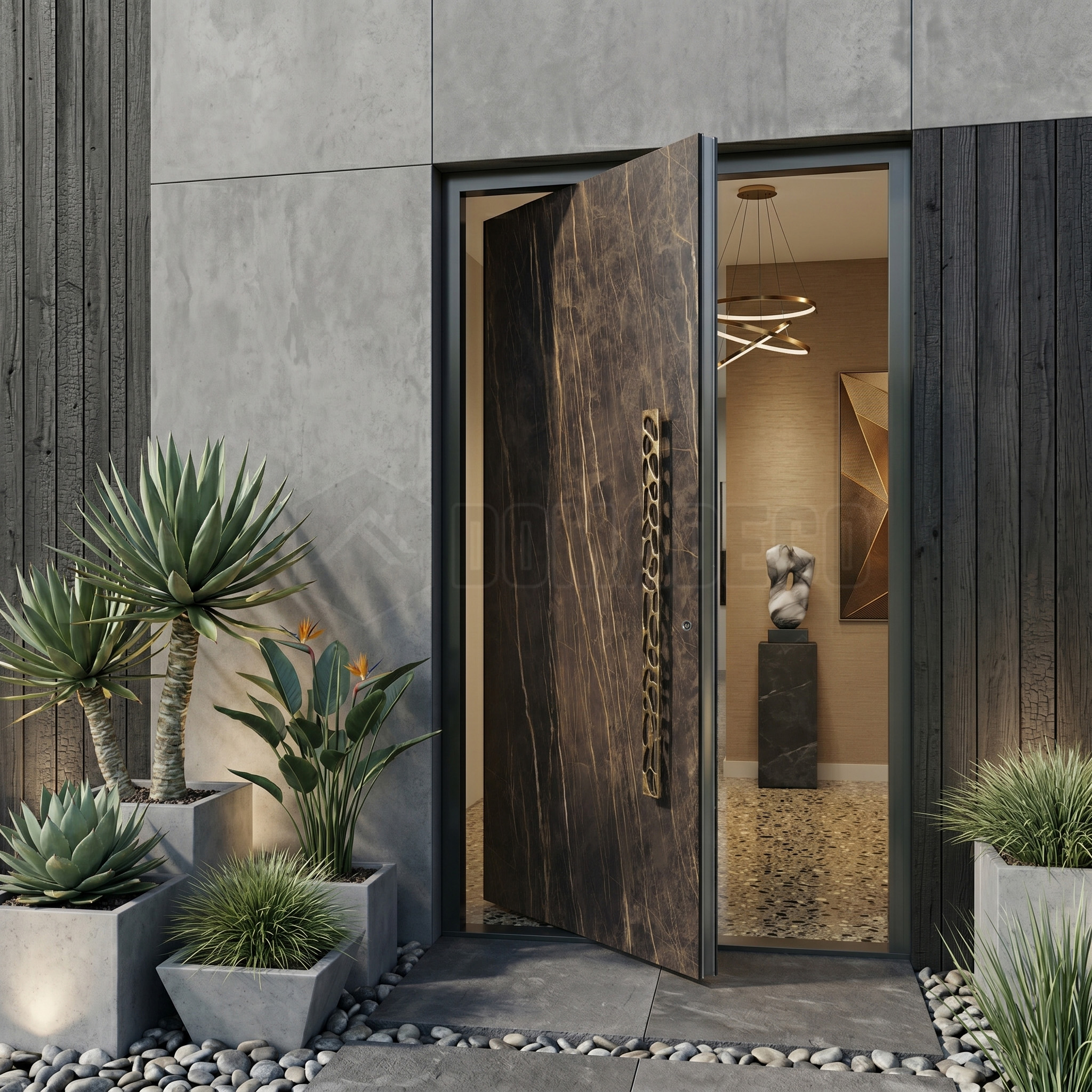
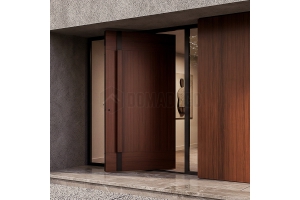
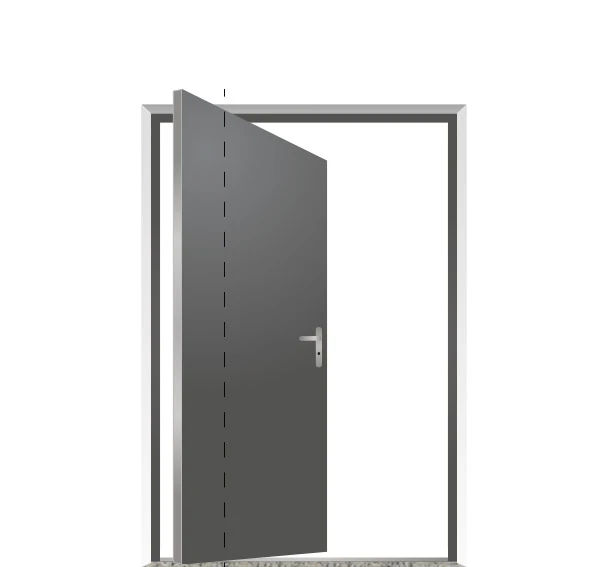
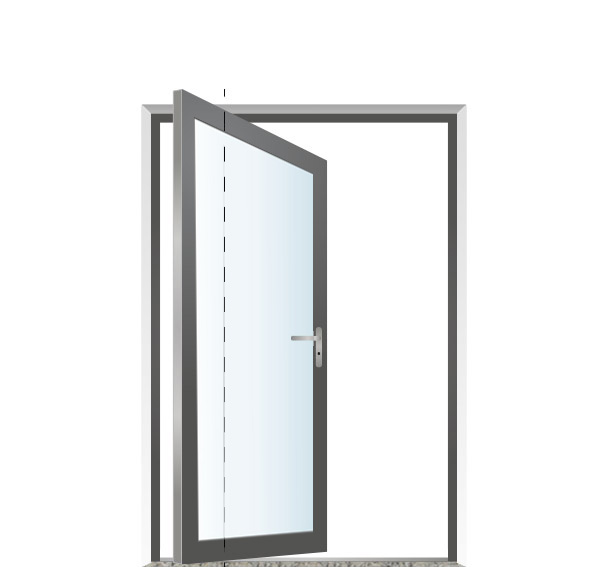
A pivot hinge door offers a distinctive design that adds an intriguing element to any entrance—rotating smoothly around a single pivot point at both the top and bottom, it evokes the mysterious charm of a ‘secret passage.’ The hinge mechanism is discreetly concealed within the door, allowing for a clean, seamless opening experience. Homeowners seeking to make a grand statement often opt for pivot doors. With just one pivot point, these doors can support large, bold designs thanks to their ability to bear significant weight. Their innovative construction enables impressive, oversized dimensions, making them an ideal match for contemporary styles and upscale residences. Pivot doors promise elegance and a modern aesthetic, standing out for their versatility. They serve as striking focal points in any room or living space, enhancing the sense of openness and adding architectural depth.
The Story Behind Pivot Doors
Although pivot doors might appear to be a contemporary invention, their origins actually go back hundreds of years. One of the earliest examples of a pivot door can be seen in the ancient city of Persepolis, located in present-day Iran. Furthermore, evidence of this door design is also present in the Gate of All Nations, a magnificent hall constructed between 486 and 465 B.C.
The Ultimate Guide: Pivot Doors vs. Traditional Hinged Doors
When designing a modern home, your front door makes the first impression. If you are debating between a standard hinged door and a state-of-the-art pivot door, understanding their core differences is essential. Here is everything you need to know to make the best architectural choice for your project.
Aesthetic Impact & Movement
Pivot doors completely redefine the entryway experience, both in scale and motion.
- Massive Dimensions: Unlike standard doors, pivot doors can be engineered to be incredibly wide and exceptionally tall. If your architectural vision includes a grand, oversized entrance, a pivot door is the superior choice.
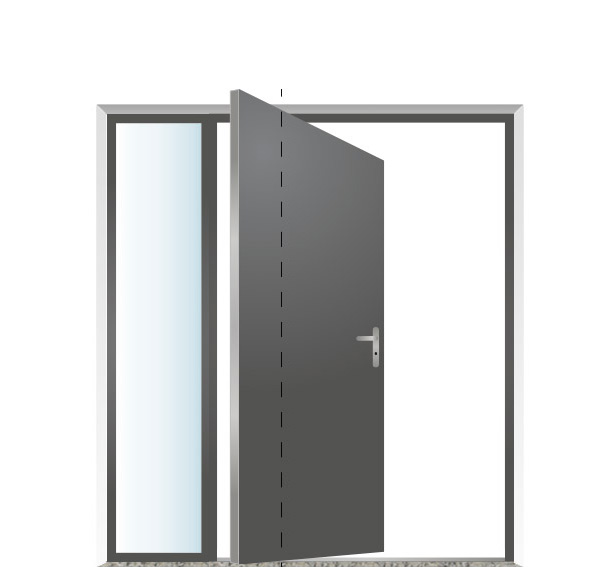
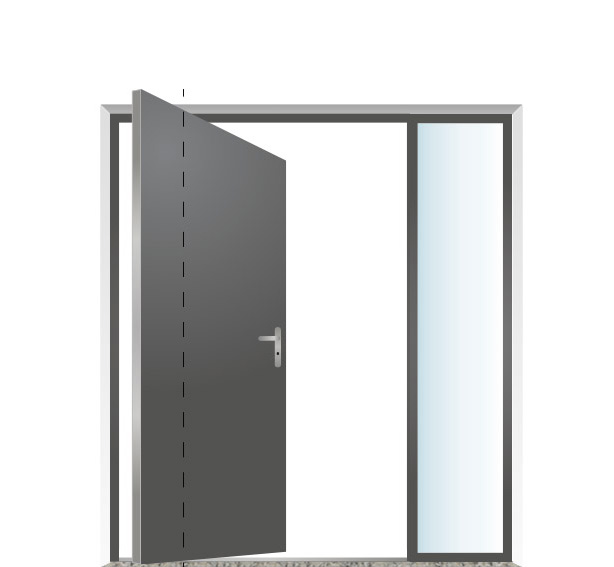
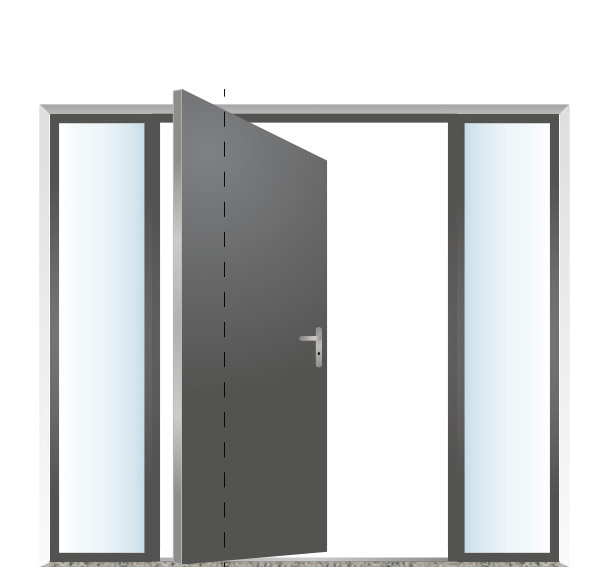
- The Magic of Movement: Traditional doors swing from hinges attached to the edge of the door frame. Pivot doors, however, rotate on a vertical axis positioned a few inches (or feet) inward from the edge. When opened, this creates a spectacular dual-opening effect: a primary "active" space for walking through, and a smaller "passive" space that serves purely as a striking visual element.
2. Engineering & Physics
The secret to a pivot door’s ability to reach such massive sizes lies in how it interacts with gravity.- Direct Floor Support: A standard hinged door hangs from the frame, constantly pulling and stressing the hinges over time. A pivot door, on the other hand, rests its entire weight directly on the floor spindle.
- Better Structural Integrity: By working with gravity rather than against it, pivot hardware can effortlessly support incredibly heavy and oversized materials (like thick steel or massive glass panels) without warping or tearing away from the frame.
3. The Investment: Cost vs. Value
There is no denying that pivot doors sit in a higher price bracket, but it is important to understand what you are paying for.- Higher Upfront Costs: Pivot doors require specialized engineering, heavy-duty pivot hardware, custom thresholds, and expert installation.
- A One-Time Investment: While the initial cost is higher, you are paying for an architectural centerpiece. The breathtaking aesthetics, advanced engineering, and smooth, effortless operation are permanent upgrades to your home's value and curb appeal.